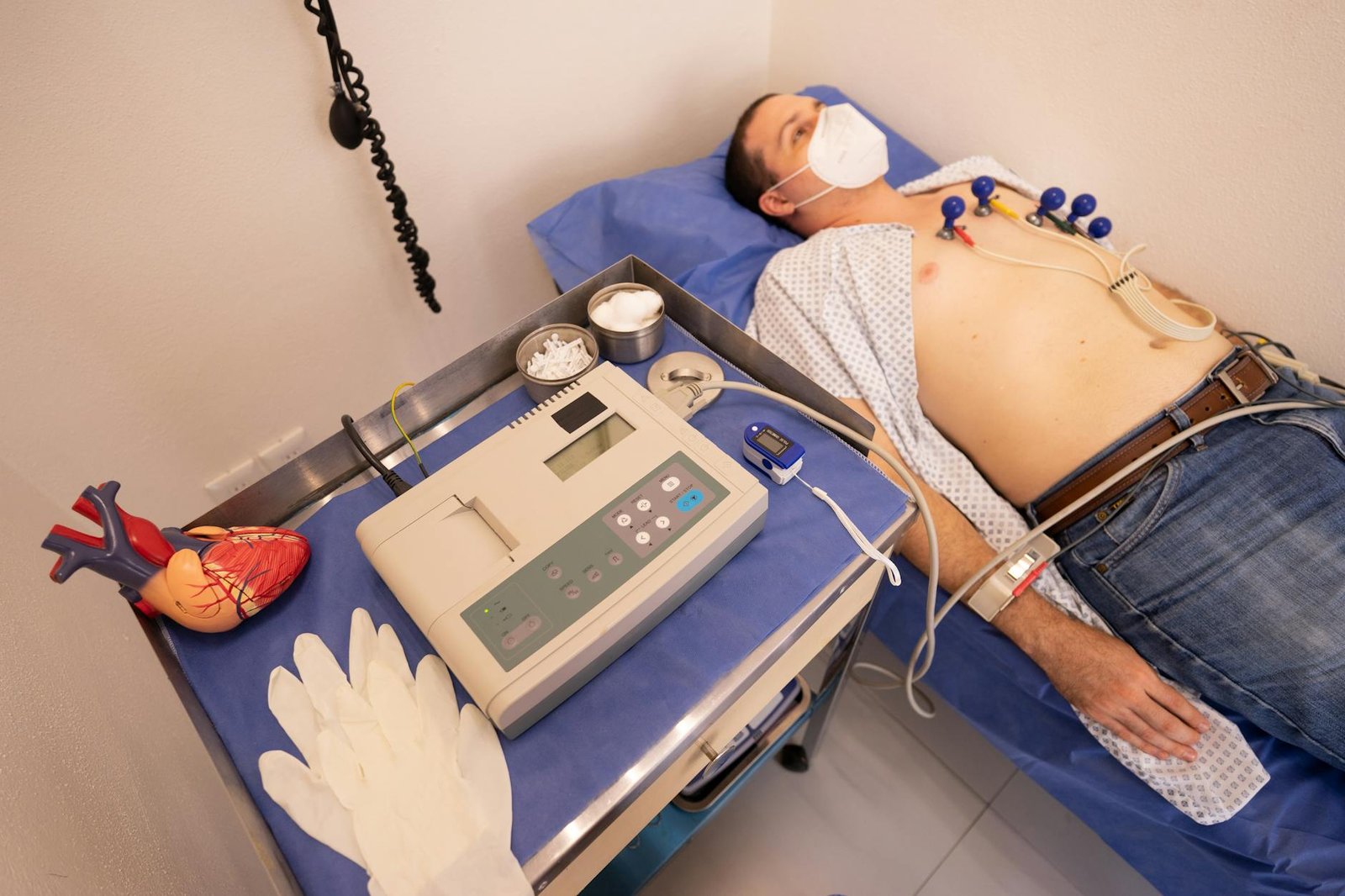

Physical Therapy Medical Billing Guide for 2026: CPT Codes, Medicare Therapy Cap, KX Modifier, and 8-Minute Rule is the complete reference PT practices need to collect every dollar they earn without creating audit exposure. Physical therapy billing operates under a dense set of CMS (Centers for Medicare & Medicaid Services, the federal agency administering Medicare Part B and publishing the annual Physician Fee Schedule) rules that catch even experienced billing teams off guard. At MMBS, our AAPC (American Academy of Professional Coders)-certified billers maintain a 98.2% clean claim rate across all PT clients, compared to the industry average of 75 to 85 percent first-pass clean claim rates. This guide covers every rule your practice must follow in 2026.
TL;DR: Physical therapy billing requires matching CPT code units to documented treatment time under Medicare's 8-minute rule, appending the KX modifier when cumulative charges exceed the annual therapy cap, and reporting G-codes at every 10th visit. MMBS processes PT claims at a 98.2% clean claim rate by verifying documentation before submission on every claim.
Core Physical Therapy CPT Codes: Timed vs. Service-Based Categories and CMS Reimbursement
Physical therapy billing divides CPT codes into two distinct categories: timed codes and service-based codes. Timed codes require direct one-on-one skilled contact and are billed in units based on the minutes documented in the clinical record. Service-based codes are billed once per session regardless of duration. Misapplying these categories is the most common source of undercollection and overpayment in outpatient PT practices.
- CPT 97110: Therapeutic Exercise , timed, direct skilled contact, ~$33/unit (2026 Medicare PFS)
- CPT 97140: Manual Therapy Techniques , timed, direct skilled contact, ~$30/unit
- CPT 97530: Therapeutic Activities , timed, functional task training, ~$35/unit
- CPT 97012: Mechanical Traction , constant attendance (not timed), therapist present but not hands-on
- CPT 97535: Self-Care and Home Management Training , timed, direct skilled contact, ~$32/unit
- Modifier KX: Required on Medicare Part B PT claims when annual therapy cap threshold is reached; certifies medical necessity
- 8-Minute Rule: CMS Medicare Benefit Policy Manual Chapter 15 , minimum 8 minutes of direct contact per unit; pooling applies across timed services in the same session
CPT 97110 covers strengthening, endurance, balance, and coordination activities requiring direct skilled contact. CMS assigns CPT 97110 a reimbursement rate of approximately $33 per 15-minute unit under the 2026 Medicare Physician Fee Schedule. CPT 97140 (Manual Therapy Techniques, including joint mobilization, soft tissue mobilization, and manual traction) reimburses at approximately $30 per unit under the same fee schedule. CPT 97530 (Therapeutic Activities, including functional task training such as transfers, lifting mechanics, and movement retraining) reimburses at approximately $35 per unit and is also a timed code.
CPT 97012 (Mechanical Traction) is a constant attendance code, meaning the therapist must remain present but does not maintain hands-on contact for the full session. CPT 97535 (Self-Care and Home Management Training, including ADL instruction, compensatory techniques, and assistive device training) reimburses at approximately $32 per unit and requires direct skilled contact. All five codes feed into every PT practice's daily claim submission volume, and each carries documentation requirements that must be met before a unit is billable.
For full details on payer-specific PT billing policies and specialty billing workflows, MMBS maintains dedicated resources through our physical therapy specialty billing hub covering practices across all 50 states.
Medicare's 8-Minute Rule: Unit Calculation, Pooling Logic, and CERT Audit Exposure
CMS publishes the 8-minute rule in the Medicare Benefit Policy Manual Chapter 15, which governs how billing teams count and report units of timed PT services. To bill one unit of any timed service, the therapist must provide at least eight minutes of direct skilled contact for that service. Each additional full 15-minute interval adds one billable unit. When multiple timed services occur in the same session, the remaining minutes after counting full 15-minute intervals are pooled and rounded according to a specific algorithm that yields an additional unit if the pooled remainder exceeds seven minutes.
A practical example clarifies the pooling logic. A therapist provides 20 minutes of CPT 97110 (therapeutic exercise) and 7 minutes of CPT 97140 (manual therapy) in one session. Total timed minutes equal 27. One full 15-minute interval accounts for 15 minutes. The remaining 12 minutes exceed the 8-minute threshold, so a second unit is billable across the two codes combined. The 7 minutes of manual therapy, which alone would not reach the 8-minute floor, pools with the therapeutic exercise remainder and earns a billable unit. Billing one unit for a 27-minute multi-service session instead of two is under-billing. Billing three units for the same session is over-billing and creates CERT (Comprehensive Error Rate Testing) audit exposure with Medicare.
CERT audits specifically monitor PT billing patterns for 8-minute rule compliance. Practices that consistently bill one unit per session regardless of documented treatment time, or that bill units inconsistent with the time documented in the clinical record, appear on CMS's review radar. The EHR (Electronic Health Record) should capture start and stop times or total treatment time for every timed service. When documentation is missing or vague, the claim is indefensible during a medical necessity review.
Medicare Therapy Cap, KX Modifier Requirements, and Documentation Standards for 2026
CMS applies an annual therapy cap threshold to outpatient physical therapy and speech-language pathology services combined under Medicare Part B. The cap amount adjusts each year through the CMS annual update cycle. When a Medicare beneficiary's cumulative therapy charges approach or exceed the cap threshold, the KX modifier must be appended to each timed CPT code on the claim to signal that services are medically necessary and that documentation supports continued skilled care.
The KX modifier is not a workaround. It is a certification. By appending KX, the treating therapist and the billing team are certifying that the clinical record demonstrates the skilled, medically necessary nature of the continued services. Medicare contractors performing claim reviews specifically pull KX-modifier claims to audit documentation quality. The clinical record must show functional progress, or when progress has plateaued, it must document a clear clinical rationale for why skilled PT remains necessary to prevent deterioration. Generic progress notes that describe supervised exercise without demonstrating skilled judgment will not satisfy a Medicare reviewer.
Claims submitted above the therapy cap threshold without the KX modifier are denied automatically. Claims submitted with the KX modifier but without supporting documentation are subject to post-payment demand letters and repayment obligations. MMBS reviews documentation before submission on every KX-modifier claim, which is why our PT clients maintain denial rates well below the industry average. Our certified billing team holds average accounts receivable (AR) days to 28 to 32, compared to the industry average of 45 to 55 AR days, by catching documentation gaps before the claim leaves the practice.
Functional Limitation Reporting and G-Code Compliance for Medicare PT Claims
Medicare requires functional limitation reporting (FLR) for all outpatient therapy services covered under Medicare Part B. FLR uses G-codes to identify the primary functional limitation being treated and assigns severity modifiers (CH through CN on a seven-level scale) indicating the patient's current functional status. G-codes must be reported at specific intervals: at the initial evaluation, at the 10th treatment visit and every 10th visit thereafter, when therapy goals change, and at discharge.
G-code documentation failures are among the most common PT audit findings. Practices miss the 10th-visit reporting requirement because their EHR does not prompt the therapist, or they select a G-code inconsistent with the functional limitation described in the clinical notes. A G-code for mobility limitation paired with documentation that describes only pain management creates a clinical inconsistency that medical reviewers flag. The severity modifier selected must reflect the patient's actual functional level at that point in the episode of care, not an aspirational goal or a copied-forward entry from the previous visit note.
A shared workflow between the billing team and the clinical team is essential for G-code compliance. The billing software should prompt G-code entry at the correct visit intervals, and the billing company should verify that G-codes on claims match the functional limitation documentation in the clinical record. MMBS builds this verification step into our PT billing workflow for every Medicare patient episode.
Payer-Specific Prior Authorization Rules for Physical Therapy in 2026
Prior authorization requirements for physical therapy vary significantly across commercial payers, Medicare Advantage plans, and Medicaid managed care organizations. Failing to obtain required prior authorization before treatment begins is one of the leading causes of preventable PT denials, generating CARC code CO-197 (Precertification absent) on the EOB (Explanation of Benefits) or ERA (Electronic Remittance Advice) returned by the payer.
UnitedHealthcare requires prior authorization for outpatient physical therapy in most commercial and Medicare Advantage markets and imposes visit limits per diagnosis episode that vary by plan type. Aetna applies concurrent review requirements for therapy episodes exceeding a plan-specific visit threshold, meaning authorization must be renewed mid-episode rather than just at the start. Cigna has published national coverage policies covering specific PT interventions, including dry needling, which remains excluded under many Cigna commercial plans regardless of clinical evidence. BCBS plans vary by state, with BCBS of Texas applying different authorization thresholds than BCBS of Michigan under the same parent organization.
Humana Medicare Advantage plans often require documented functional progress at concurrent review that exceeds the standard Medicare Part B threshold. Medicaid adds another layer: Florida requires prior authorization beyond 20 visits per year, and Texas Medicaid managed care organizations each set their own PT authorization thresholds with fee schedules well below commercial rates. Knowing which payer governs each patient before the first claim is submitted is the difference between a clean claim and a denial that ages in AR for 45 days.
For practices managing complex payer mixes, MMBS handles prior authorization tracking and concurrent review calendars as part of our prior authorization and claims management workflow, ensuring no authorization gap creates a revenue leak after services are already delivered.
Top 4 Physical Therapy Claim Denial Reasons, CARC Codes, and MMBS Fix Rates
PT claims face a predictable set of denial patterns that repeat across payers. Understanding the CARC codes associated with each denial type accelerates appeal resolution and helps practices build prevention into their workflow.
CO-4 (The procedure code is inconsistent with the modifier) appears when a timed code is submitted without the required GP modifier (services delivered under an outpatient PT plan of care) or when the modifier combination conflicts with payer rules. CO-16 (Claim or service lacks information) is the most common denial code across all PT payers and typically signals missing G-codes, absent start and stop times, or a KX modifier without supporting documentation. CO-97 (The benefit for this service is included in the payment for another service) appears when two services billed together are considered bundled under the payer's fee schedule, often affecting CPT 97110 and 97530 billed in the same session for certain payers. CO-50 (These are non-covered services because this is not deemed a medical necessity) is the denial that follows inadequate skilled care documentation, particularly on KX modifier claims and concurrent reviews. MMBS's denial management workflow resolves 85% of appealable denials on first pass, with PT denial appeals typically closed within 30 days of submission.
CO-50 appeals require documentation of the therapist's clinical decision-making, not just a description of exercises. CO-16 appeals require producing the missing element and resubmitting. Both depend on filing within the payer's appeal deadline, which appears on the EOB. Missed deadlines close the file permanently. Tracking deadlines by payer is a core function of effective accounts receivable and denial recovery management.
How MMBS Handles Physical Therapy Billing: Performance Benchmarks and Workflow
MMBS's PT billing workflow begins at eligibility verification, where our team confirms active coverage, therapy benefits, remaining visit counts, and prior authorization requirements for every patient before the first claim is submitted. This front-end verification step eliminates the single largest category of PT denials: claims submitted for patients whose therapy benefit has exhausted or whose authorization has lapsed.
Our AAPC-certified coders (CPC, COC credentials) apply the 8-minute rule to every session, checking documented treatment time against units billed before submission. KX modifier claims are flagged for documentation review before the claim leaves our system. G-code intervals are tracked per patient episode. Every claim includes the practice's NPI (National Provider Identifier) matched to the group NPI and verified against PECOS (Provider Enrollment, Chain, and Ownership System) records for Medicare claims.
HIPAA (Health Insurance Portability and Accountability Act, 45 CFR Parts 160 and 164) compliance runs through every step of our operation. MMBS holds signed BAAs with every client. ERA (Electronic Remittance Advice) posting completes within 24 hours, and EOB reconciliation catches underpayments against contracted fee schedules. Practices that want specialist-level PT billing without an internal billing department rely on our outsourced billing team for outpatient practices for both large groups and single-therapist clinics alike.
Frequently Asked Questions
What is the average denial rate for physical therapy medical billing claims?
The industry average first-pass denial rate for outpatient physical therapy claims ranges from 8% to 15%, with Medicare PT claims denied most commonly for 8-minute rule calculation errors, missing G-codes, and KX modifier documentation failures. MMBS's first-pass denial rate for PT clients sits below 2%, driven by documentation verification before every claim submission.
How does Medicare's 8-minute rule apply when multiple timed PT services are billed in the same session?
When multiple timed PT services are provided in one session, the minutes for each service are pooled after counting full 15-minute intervals. The pooled remainder qualifies for an additional billable unit if it exceeds seven minutes (meets the 8-minute floor). For example, 20 minutes of CPT 97110 and 7 minutes of CPT 97140 total 27 minutes, which rounds to two billable units under the pooling method defined in the CMS Medicare Benefit Policy Manual Chapter 15.
When is the KX modifier required on a physical therapy claim?
The KX modifier is required on Medicare Part B outpatient physical therapy claims when the patient's cumulative therapy charges for the calendar year reach or exceed the annual CMS therapy cap threshold. Appending KX certifies that the services are medically necessary and that the clinical documentation supports continued skilled care. Claims above the cap without KX are denied automatically; claims with KX but without supporting documentation are subject to post-payment review and potential repayment demands.
What are G-codes and when must physical therapists report them on Medicare claims?
G-codes are Medicare functional limitation reporting codes that identify the primary functional limitation being treated and the patient's current severity level using modifiers CH through CN. CMS requires G-code reporting at the initial evaluation, at the 10th treatment visit and every 10th visit thereafter, when therapy goals change, and at discharge. Missing a required G-code reporting interval is a common audit finding and can result in claim edits or denial of the affected claim line.
Which CPT codes are used most often in outpatient physical therapy billing?
The five most commonly billed PT codes are CPT 97110 (Therapeutic Exercise, ~$33/unit), CPT 97140 (Manual Therapy, ~$30/unit), CPT 97530 (Therapeutic Activities, ~$35/unit), CPT 97012 (Mechanical Traction, constant attendance), and CPT 97535 (Self-Care Training, ~$32/unit). CPT 97110, 97140, and 97530 are timed codes subject to Medicare's 8-minute rule. CPT 97012 and 97535 follow separate documentation requirements under the CMS fee schedule.
How does HIPAA affect physical therapy billing and what is required for compliance?
HIPAA (Health Insurance Portability and Accountability Act, 45 CFR Parts 160 and 164) requires PT practices to sign Business Associate Agreements (BAAs) with every vendor that handles protected health information (PHI), including their billing company. A missing or unsigned BAA is a reportable compliance gap. MMBS operates as a HIPAA-compliant business associate under a current BAA with every client. See our HIPAA-compliant billing compliance page for details on how we protect PHI across all 50 states.
Physical therapy practices that want to stop under-collecting, reduce denial rates, and end manual 8-minute rule calculations can reach out to MMBS today. Our AAPC-certified PT billing team handles claim submission, prior authorization tracking, G-code interval management, and denial appeals so your clinicians can focus on patients. Contact MMBS to schedule a free practice billing assessment and find out how much revenue your current billing workflow may be leaving behind.