
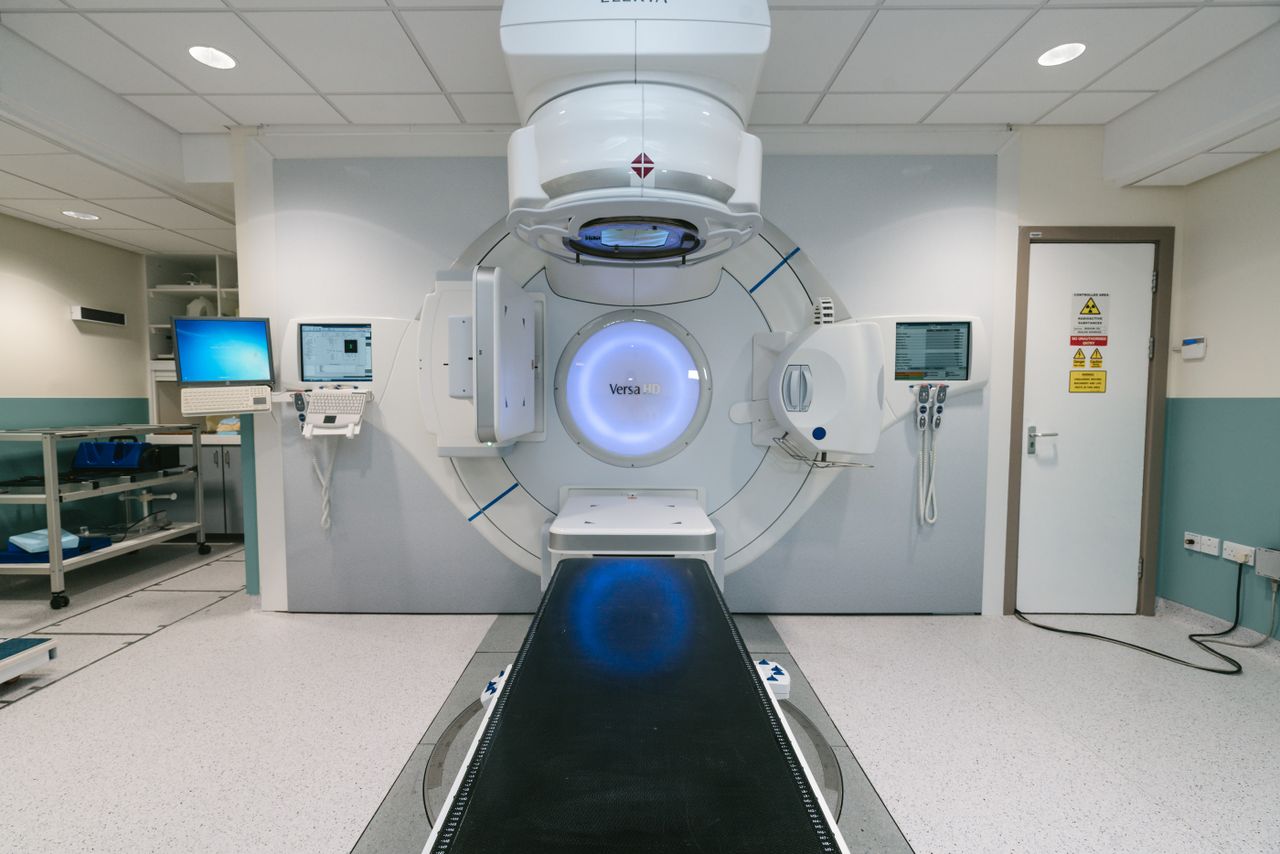

Radiation Oncology Medical Billing Overview
Radiation oncology billing is defined by high-cost treatment courses, complex technical and professional fee separation, and payer scrutiny that rivals surgical oncology in intensity. A standard course of external beam radiation therapy (EBRT) for prostate cancer generates dozens of individual claims over six to eight weeks, each requiring accurate coding for the treatment delivery, weekly physician management visits, and treatment planning services. Medicare’s Radiation Oncology Model, tested through alternative payment model participation, has influenced how payers including UnitedHealthcare and Aetna approach bundled payments for radiation courses, requiring billing teams to understand both traditional fee-for-service coding and alternative payment structures.
The technical and professional fee split is fundamental to radiation oncology billing. Hospital-based radiation oncology departments bill the technical component under the facility’s revenue codes, while the radiation oncologist bills the professional component separately using the -26 modifier. Freestanding radiation centers bill both components globally. Misapplication of this split, or billing the global code when the practice operates in a facility setting, results in duplicate billing allegations and potential overpayment demands from Medicare Administrative Contractors including Palmetto GBA and WPS Government Health Administrators.
Common Billing Challenges in Radiation Oncology
- Treatment planning code complexity: Radiation treatment planning involves a spectrum of codes from simple planning (CPT 77261) to complex 3D conformal planning (77295) and IMRT planning (77301). Payers including Cigna and BCBS require documentation of the planning complexity, including the number of treatment fields, dose-volume histogram analysis, and physician involvement in plan optimization. Upcoding or undercoding the planning component is an audit target.
- IMRT delivery code frequency limits: Intensity-modulated radiation therapy delivery (CPT 77301 for planning, 77385/77386 for delivery) is subject to frequency and medical necessity review by Medicare and commercial payers. Medicare requires that IMRT be medically necessary based on the clinical scenario, not simply that the technology is available. Failure to document why IMRT was selected over 3D conformal therapy triggers medical necessity reviews.
- Concurrent chemotherapy and radiation billing coordination: Many patients receive concurrent chemoradiation. The oncology and radiation oncology practices must coordinate billing to avoid duplicate submissions and to ensure that weekly physician management codes (99213/99214 or 77427 for radiation treatment management) are not billed by both providers for the same dates of service.
- Stereotactic radiosurgery technical and professional component separation: SRS and SBRT procedures (CPT 77372 for SRS, 77373 for SBRT) carry among the highest per-treatment reimbursements in radiation oncology and are subject to intensive prior authorization and medical necessity review by UnitedHealthcare and Humana. The technical and professional components must be billed with precision, and any error in the number of fractions or treatment site documentation triggers denial.
Key CPT Codes for Radiation Oncology Billing
- 77385 / 77386: IMRT delivery, simple (77385) and complex (77386), billed per treatment fraction for intensity-modulated radiation therapy delivery sessions
- 77427: Radiation treatment management, five treatments, the weekly physician management code billed by the radiation oncologist for clinical oversight of the treatment course
- 77295: 3D radiotherapy plan, including dose-volume histograms, the planning code for standard 3D conformal radiation therapy planning
- 77373: Stereotactic body radiation therapy (SBRT) delivery, billed per fraction for ablative stereotactic body radiotherapy courses
- 77014: CT guidance for placement of radiation therapy fields, used when CT localization is performed for treatment setup verification
Revenue Cycle Considerations for Radiation Oncology
Radiation oncology practices have among the longest A/R cycles of any specialty, with average days in A/R running 55 to 75 days. The extended cycle reflects the complexity of treatment course billing, which spans multiple weeks, and the prior authorization burden imposed by Medicare Advantage plans and commercial payers for IMRT, SBRT, and SRS. Denial rates in radiation oncology average 15% to 22%, with planning code complexity errors and prior authorization failures driving the majority of initial denials.
Payer mix in radiation oncology is heavily weighted toward Medicare, reflecting the patient population. Medicare and Medicare Advantage plans combined often represent 60% to 70% of payer mix for freestanding radiation centers. This Medicare concentration makes accurate coding under Medicare fee schedule rules, including the LCD requirements published by MACs, the single most important billing competency for the specialty.
How My Medical Bill Solution Helps Radiation Oncology Practices
My Medical Bill Solution provides radiation oncology billing services that address the technical and professional fee split, IMRT and SBRT prior authorization management, treatment course claim sequencing, and weekly management code compliance. We work with freestanding radiation centers, hospital-based departments billing professional fees separately, and multi-specialty oncology groups coordinating chemoradiation billing across providers.
Our billing specialists monitor MAC LCD updates from Palmetto GBA and WPS that affect coverage criteria for IMRT and SRS, and we apply payer-specific prior authorization documentation to every high-value treatment request. Contact My Medical Bill Solution to review your current radiation oncology denial patterns and identify where your revenue cycle is losing ground to avoidable errors.