
Osteopathic Medicine Medical Billing Overview
Osteopathic manipulation therapy accounts for roughly 12% of all denied claims in DO practices, according to billing data across primary care and specialty osteopathic settings. That number is not an accident. Osteopathic manipulative treatment (OMT) is genuinely difficult to bill correctly because it sits at the intersection of evaluation and management coding rules, procedure-specific documentation requirements, and aggressive payer scrutiny. The result: money that gets left on the table or clawed back in post-payment audits.
DO practices face a dual billing challenge. On one side, you have standard primary care E/M visits (CPT 99202-99215) with all the usual documentation requirements under the 2021 AMA guidelines. On the other, you have OMT procedure codes (CPT 98925-98929) that require separate documentation justifying the regions treated, the techniques used, and why manipulation was medically necessary for that patient on that date. Doing both correctly, in every encounter, is non-negotiable if you want to get paid consistently.
Common Billing Challenges in Osteopathic Medicine
- OMT and E/M same-day bundling: Medicare and many commercial payers including UnitedHealthcare and Cigna allow separate billing of an OMT procedure and an E/M visit on the same day, but only when they are for distinct conditions or clearly separate components of the visit. Modifier 25 must be applied to the E/M code, and the documentation must support that separation. Without it, payers bundle and pay only the higher of the two codes.
- OMT region count errors: The OMT CPT code set (98925-98929) is based on the number of body regions treated: 1-2 regions, 3-4, 5-6, 7-8, and 9-10. Billing a higher-region code without documentation naming each specific region treated is a top audit trigger for DO practices under Medicare review.
- Diagnosis coding mismatches: An OMT claim must link to a diagnosis that supports manipulation, typically a musculoskeletal ICD-10 code like M54.5 (low back pain) or M54.2 (cervicalgia). Linking OMT to a primary diagnosis of hypertension or diabetes without an additional musculoskeletal secondary code will result in automatic denial from most payers.
- Payer coverage gaps: Medicaid programs in roughly 20 states do not cover OMT at all. Some BCBS plans and Humana contracts exclude OMT or limit it to a set number of visits per year. Billing payers for non-covered OMT without checking the patient’s specific benefit plan creates avoidable write-offs.
Key CPT Codes for Osteopathic Medicine Billing
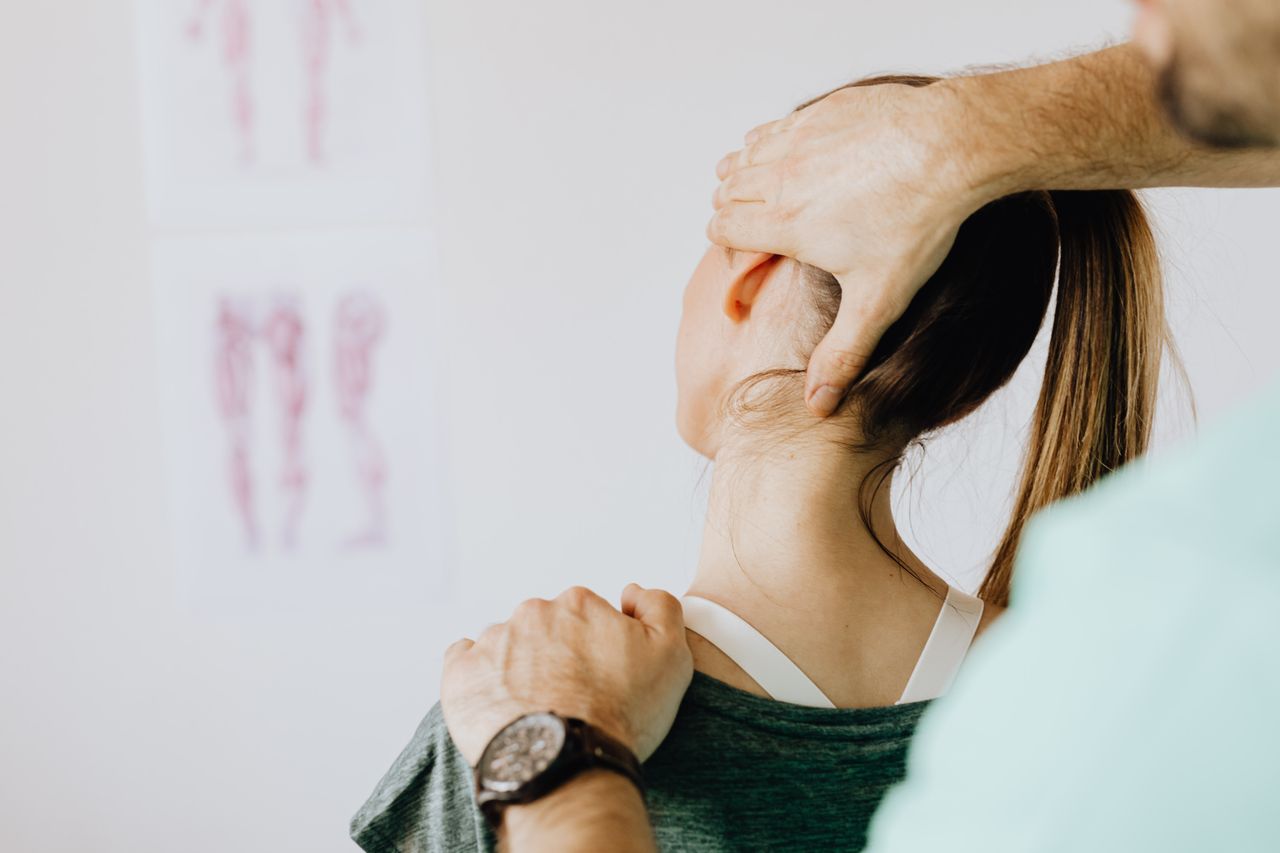
- CPT 98925: Osteopathic manipulative treatment, 1-2 body regions involved. The entry-level OMT code, appropriate for focused single-region treatment such as isolated cervical manipulation. Documentation must name the specific region(s).
- CPT 98927: Osteopathic manipulative treatment, 5-6 body regions involved. A mid-range code that requires documentation of five or six distinct body regions treated in the same session. Vague notes citing “spinal manipulation” without region specificity will not support this level.
- CPT 98929: Osteopathic manipulative treatment, 9-10 body regions involved. The highest OMT code. Requires documentation of treatment across 9 to 10 of the defined body regions: head, cervical, thoracic, lumbar, sacral, pelvic, lower extremity, upper extremity, rib, abdomen. Do not bill this without complete documentation.
- CPT 99214: Established patient office visit, moderate medical decision making. The most commonly billed E/M code in primary care DO practices. Under 2021 AMA guidelines, total time or medical decision making drives the level, not history and exam elements.
- CPT 99213: Established patient office visit, low medical decision making. Frequently underbilled by DO practices that default to this level even when the encounter complexity supports 99214. Audit your own coding distribution annually.
Revenue Cycle Considerations for Osteopathic Medicine
Average A/R days for osteopathic practices run between 35 and 50 days, but OMT-heavy practices often see longer tails on their Medicare claims due to additional documentation review. OMT denial rates at practices without specialized billing support average 18-22%. The majority of those denials are preventable with better front-end documentation and payer-specific coding protocols.
Your payer mix determines your ceiling. Medicare pays OMT at a set fee schedule rate with no visit limits, which makes it your most predictable revenue source for manipulation services. Commercial payers are more variable: Aetna and Cigna cover OMT on most plans but apply different frequency and diagnosis rules. Know your top 5 payers by volume and map your OMT billing protocols to each of them specifically, not to a generic ruleset.
How My Medical Bill Solution Helps Osteopathic Medicine Practices
Most billing vendors treat OMT as a line item. We treat it as a specialty discipline. My Medical Bill Solution has specific expertise in osteopathic billing, including OMT region documentation review, same-day E/M and OMT separation, and payer-specific coverage verification before claims go out. We catch the errors that cost you money before the claim leaves your practice.
Our team also provides detailed denial analytics so you can see exactly which codes, which payers, and which providers are generating the most rework. That data drives targeted fixes, not guesswork. Contact My Medical Bill Solution to schedule a billing review for your osteopathic practice.