
Orthopedic Medical Billing Services in Manhattan
Manhattan orthopedic practices operate in one of the most demanding healthcare markets in the world. The concentration of specialists, the high volume of workers’ compensation cases tied to construction and service industries, and New York’s aggressive payer audit environment make orthopedic billing here uniquely challenging. General billing companies without orthopedic specialization consistently underperform in this market.
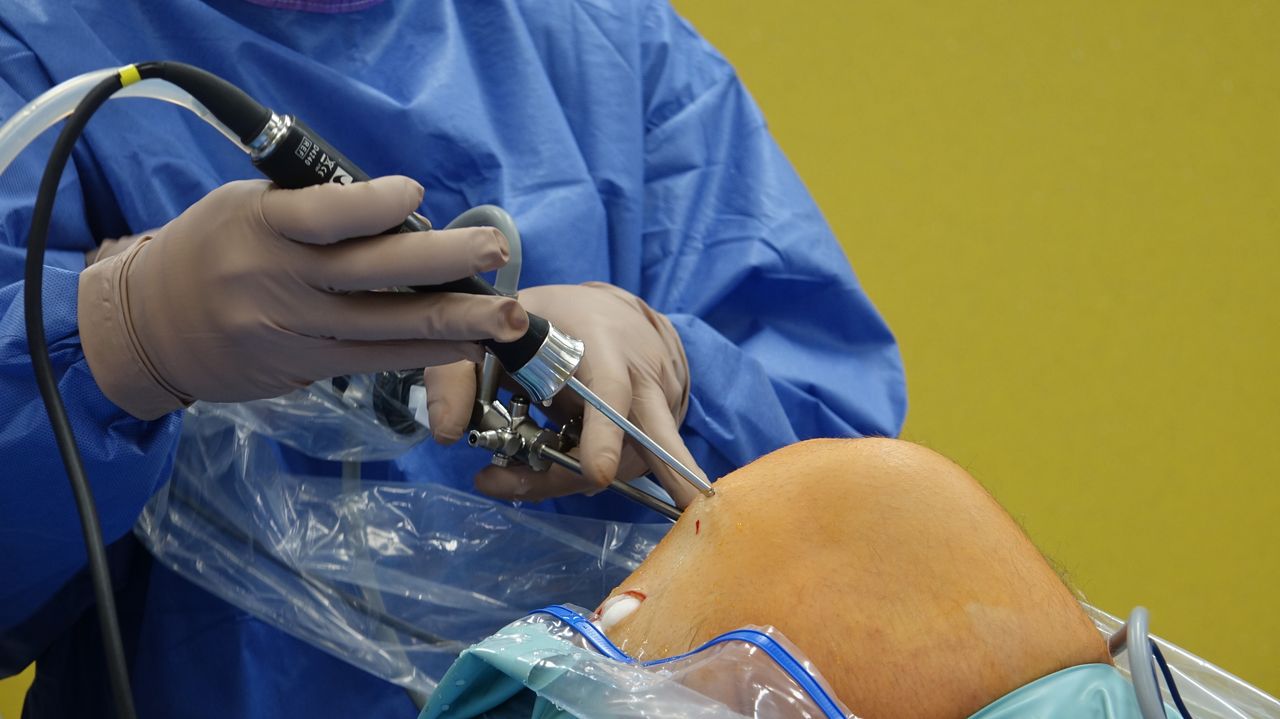
From joint replacements and arthroscopic procedures to spine surgery and sports medicine, Manhattan orthopedists handle a wide range of complex cases. Each procedure category carries specific coding requirements, bundling rules, and documentation standards that directly impact reimbursement. A single coding error on a total knee arthroplasty (CPT 27447) can delay payment by 30 to 60 days or trigger a claim denial worth $15,000 or more.
Why Manhattan Orthopedic Practices Need Specialized Billing
New York’s workers’ compensation system generates significant revenue for Manhattan orthopedic practices, but WC billing follows entirely different rules than commercial insurance. The New York Workers’ Compensation Board fee schedule, C-4 form requirements, and Independent Medical Examination protocols all require specialized knowledge. Practices that treat construction workers, restaurant employees, and office workers with repetitive strain injuries need billers who understand WC coding inside and out.
The density of orthopedic practices in Manhattan creates intense competition for patients and insurance contracts. Maintaining strong relationships with major NYC payers like Empire BlueCross BlueShield, UnitedHealthcare, Aetna, and Cigna requires consistent clean claim submission and proactive contract renegotiation. Practices with high denial rates risk losing preferred provider status.
Common Billing Challenges for NYC Orthopedists
Surgical bundling errors remain the top revenue leak for Manhattan orthopedic practices. Payers frequently bundle procedures that should be billed separately, especially during complex cases involving multiple surgical sites. Understanding when to apply modifier 59 (distinct procedural service) versus XE, XS, XP, or XU modifiers requires deep orthopedic coding knowledge.
Implant and hardware billing adds another layer of complexity. Total joint replacements, spinal fusion hardware, and fracture fixation devices all require separate billing with accurate HCPCS codes. Missing implant charges on a spinal fusion case can mean $5,000 to $20,000 in lost revenue per procedure.
Physical therapy and rehabilitation referrals generate downstream revenue that many orthopedic practices fail to capture properly. Ensuring proper referral documentation, tracking authorization visit limits, and coordinating billing between the surgical practice and PT providers requires systems that most general billing companies do not offer.
No-fault auto insurance claims in New York follow yet another set of billing rules. Manhattan practices treating motor vehicle accident injuries must navigate PIP (Personal Injury Protection) billing, NF-3 verification forms, and the specific documentation requirements that New York no-fault carriers demand.
Our Approach to Manhattan Orthopedic Billing
Every Manhattan orthopedic account gets assigned a team with orthopedic surgery coding certification. These coders understand the specific documentation requirements for procedures ranging from simple fracture care (CPT 25600) to complex spinal fusion (CPT 22630) and total joint arthroplasty (CPT 27447).
Our workers’ compensation billing team handles the full NYC WC workflow: initial C-4 filing, treatment authorization requests, fee schedule verification, and dispute resolution with the Workers’ Compensation Board. We maintain current knowledge of NYS WCB fee schedule updates and policy changes.
For surgical practices, we provide pre-operative financial clearance that verifies insurance benefits, obtains prior authorizations, and calculates patient responsibility before the procedure date. This reduces post-surgical payment surprises and improves patient satisfaction.
Performance Metrics
Manhattan orthopedic practices partnering with us achieve average collection rates above 94%, denial rates below 5%, and workers’ compensation claim resolution within 45 days. For a high-volume surgical practice generating $5 million annually, a 3% improvement in collection rate represents $150,000 in additional revenue.