
Navigating Orthopedic Billing Complexity
Orthopedic billing demands precision across surgical procedures, post-operative care, and rehabilitation services. The specialty’s reliance on global surgical periods, bundling rules, and modifier usage makes it one of the more error-prone areas in medical billing. Practices that fail to track these nuances consistently leave revenue on the table.
Surgical Procedures and Global Periods
High-volume orthopedic procedures like total knee arthroplasty (27447) and knee arthroscopy with meniscectomy (29881) carry 90-day global periods. All routine follow-up visits, cast applications, and post-operative care during this window are bundled into the surgical fee. Billing a separate E/M visit during the global period requires modifier 24 to indicate the visit was for an unrelated condition, supported by documentation linking the encounter to a distinct diagnosis.
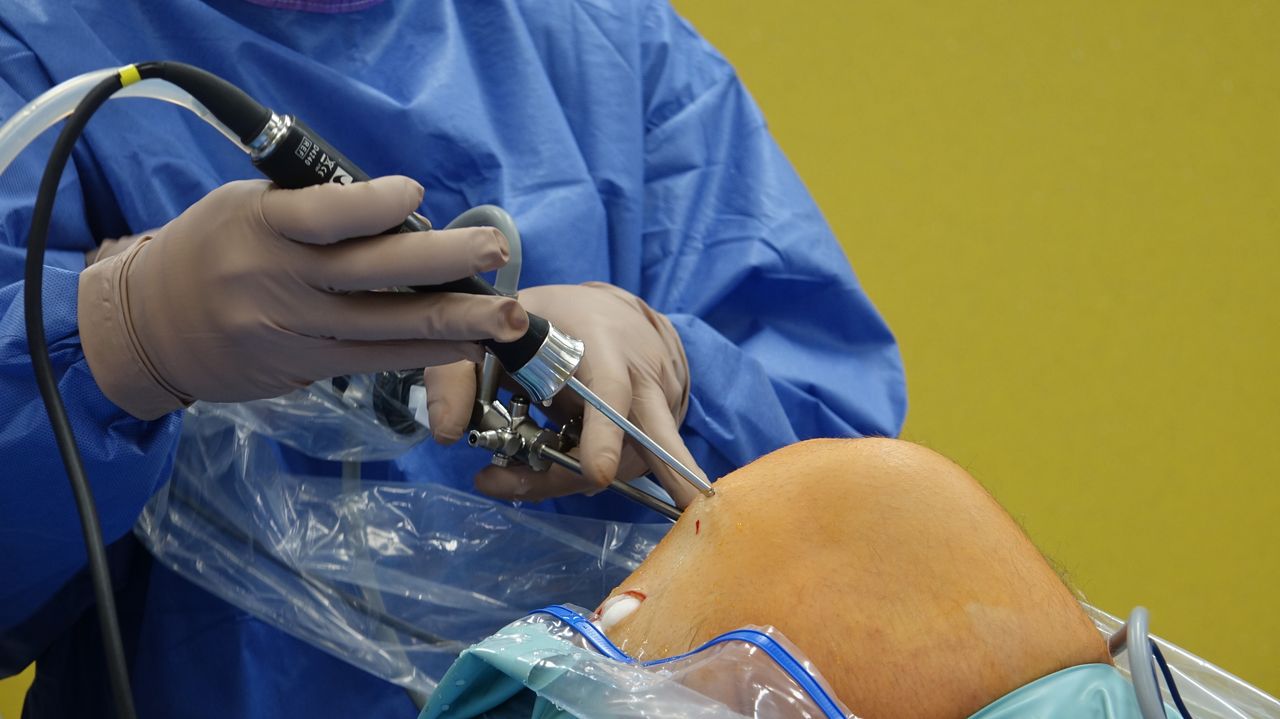
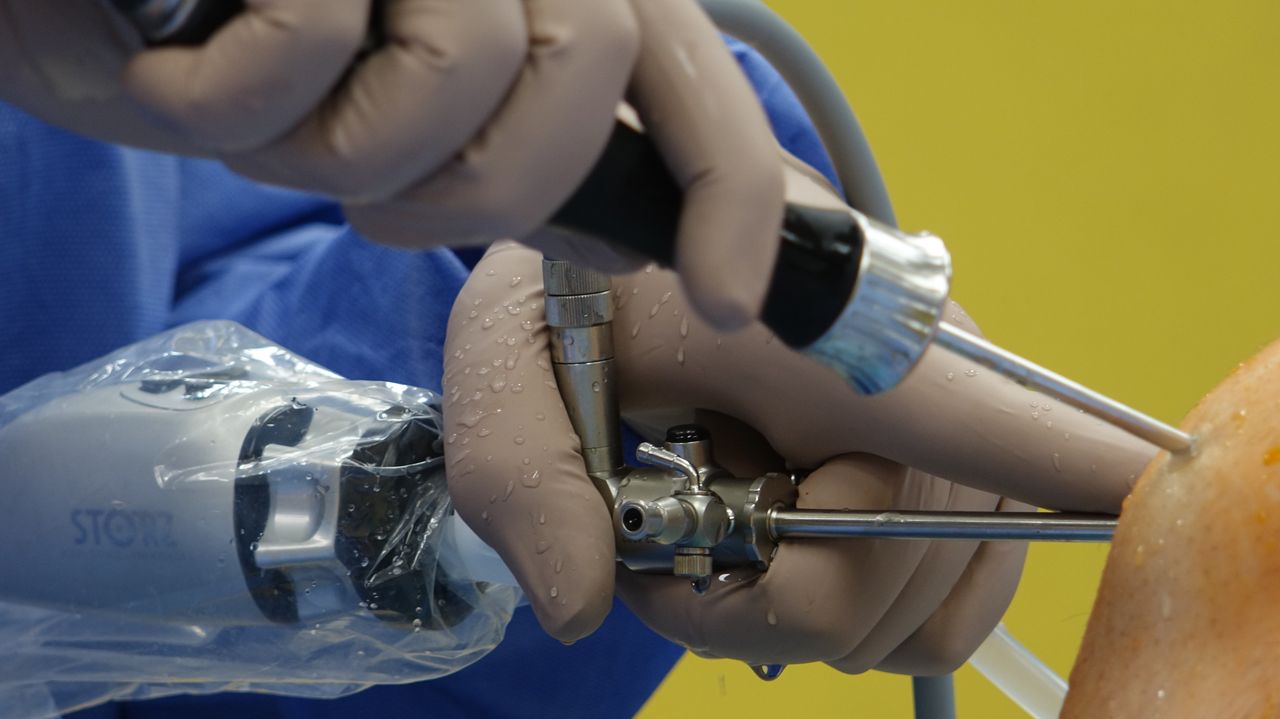
Shoulder arthroscopy with subacromial decompression (29826) follows similar rules, but surgeons who perform multiple arthroscopic procedures during the same session must apply modifier 59 or the appropriate X modifier (XE, XS, XP, XU) to demonstrate that each procedure involved a distinct anatomical site or separate surgical field. Without these modifiers, payers bundle the lesser procedure into the primary one, resulting in partial payment.
Office-Based Procedures and Injections
Joint and soft tissue injections (20610 for major joints, 20605 for intermediate joints) represent a significant portion of office-based orthopedic revenue. Each injection requires documentation of the specific joint treated, the substance injected, and medical necessity. When an E/M visit occurs on the same day as an injection, modifier 25 must accompany the E/M code to justify the separate evaluation as a significant and independently identifiable service.
Rehabilitation and Physical Therapy Billing
Orthopedic practices that offer in-house physical therapy frequently bill therapeutic exercise (97110) and manual therapy (97140) on the same date of service. Payers scrutinize these claims for medical necessity, particularly when both codes appear together. Documentation must specify different treatment goals for each service. The 8-minute rule governs timed therapy codes, and practices must track direct treatment minutes carefully to avoid overbilling.
- Track global period start and end dates for every surgical patient to prevent bundled service denials
- Apply modifier 59 only when documentation supports a distinct procedural service, not as a routine unbundling tool
- Document medical necessity for same-day E/M visits with injections, including a separate history and decision-making rationale
- Maintain minute-by-minute therapy logs to support timed PT code billing under the 8-minute rule