

Oncology Billing: Drug Reimbursement and Infusion Coding
Oncology billing is among the most complex in medicine, driven by high-cost drug reimbursement, multi-hour infusion coding, and the intersection of medical and radiation therapy services. The financial stakes are significant: a single chemotherapy session can involve thousands of dollars in drug costs, and incorrect coding can mean the difference between profitability and loss for the practice.
Chemotherapy Infusion Coding
Chemotherapy infusion coding follows a hierarchical structure. The first hour of infusion is billed with 96413, and each additional hour uses 96415. When a second drug is administered sequentially after the first, the initial dose of the new agent is reported with 96417 (each additional sequential infusion). Concurrent infusions running through a separate IV line use 96415. Accurate start and stop times for each drug must be documented by the nursing staff, as payers audit infusion records to verify that billed time matches the actual administration window.
Buy-and-Bill Drug Reimbursement
The buy-and-bill model requires oncology practices to purchase chemotherapy drugs upfront and seek reimbursement after administration. Medicare reimburses physician-administered drugs at the Average Sales Price plus 6% (ASP+6%), while commercial payers negotiate their own rates. The gap between acquisition cost and reimbursement varies by drug, and practices must monitor reimbursement trends closely. Drugs with slim or negative margins can create financial pressure, particularly when payer contracts use outdated ASP data or impose sequestration reductions.
Each administered drug is billed using its specific J-code (J9XXX series for chemotherapy agents). The billed units must match the actual dosage administered, not the vial size purchased. Wasted drug from single-use vials may be reported using modifier JW, though payer policies on waste billing vary.
Radiation Therapy Billing
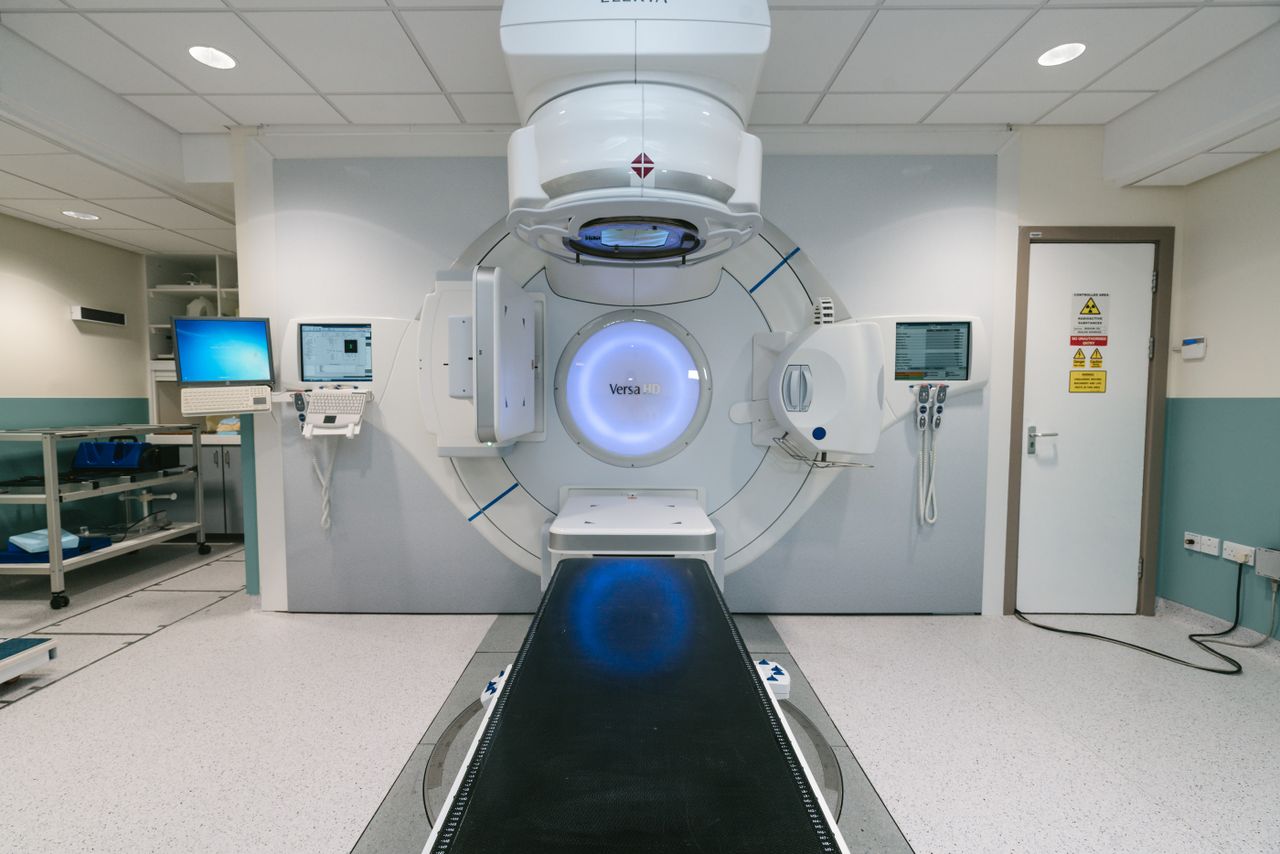
Intensity-modulated radiation therapy (IMRT) is billed using 77385 for simple delivery and 77386 for complex delivery. Treatment planning, simulation, and weekly management services are billed separately. Radiation oncology billing requires coordination between the treating physician, dosimetrist, and billing team to ensure that planning codes match the delivered treatment technique.
Oral Parity and Prior Authorization
Oral parity laws in many states require insurers to cover oral chemotherapy agents at the same cost-sharing level as IV chemotherapy. Practices that prescribe oral oncolytics must verify whether the patient’s plan falls under state or federal (ERISA) jurisdiction, as self-funded plans are exempt from state parity mandates.
- Document exact start and stop times for every infusion drug to support time-based CPT code selection
- Monitor ASP reimbursement updates quarterly to identify drugs with negative margins
- Bill wasted single-use vial drug with modifier JW and document the discarded amount
- Verify oral parity applicability based on the patient’s plan type before assuming equal cost-sharing