
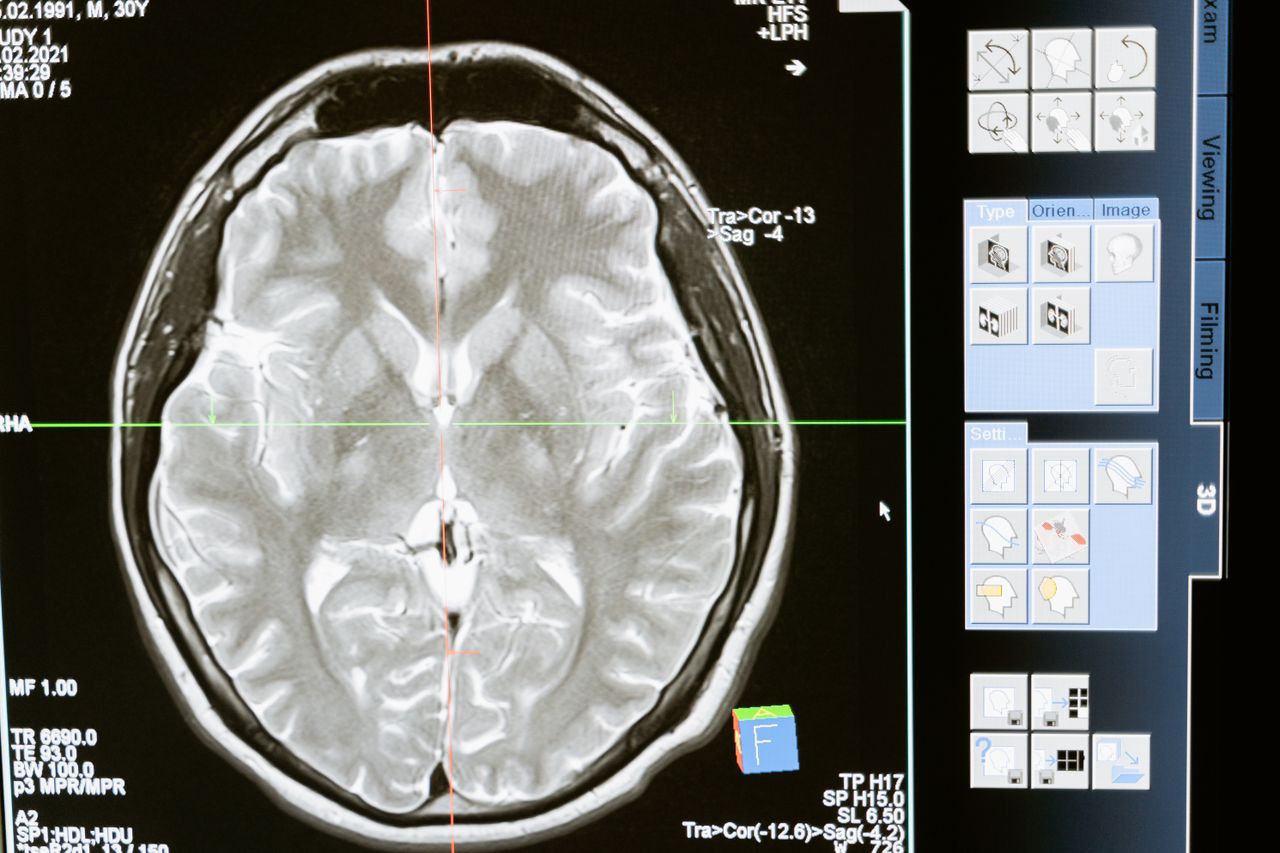
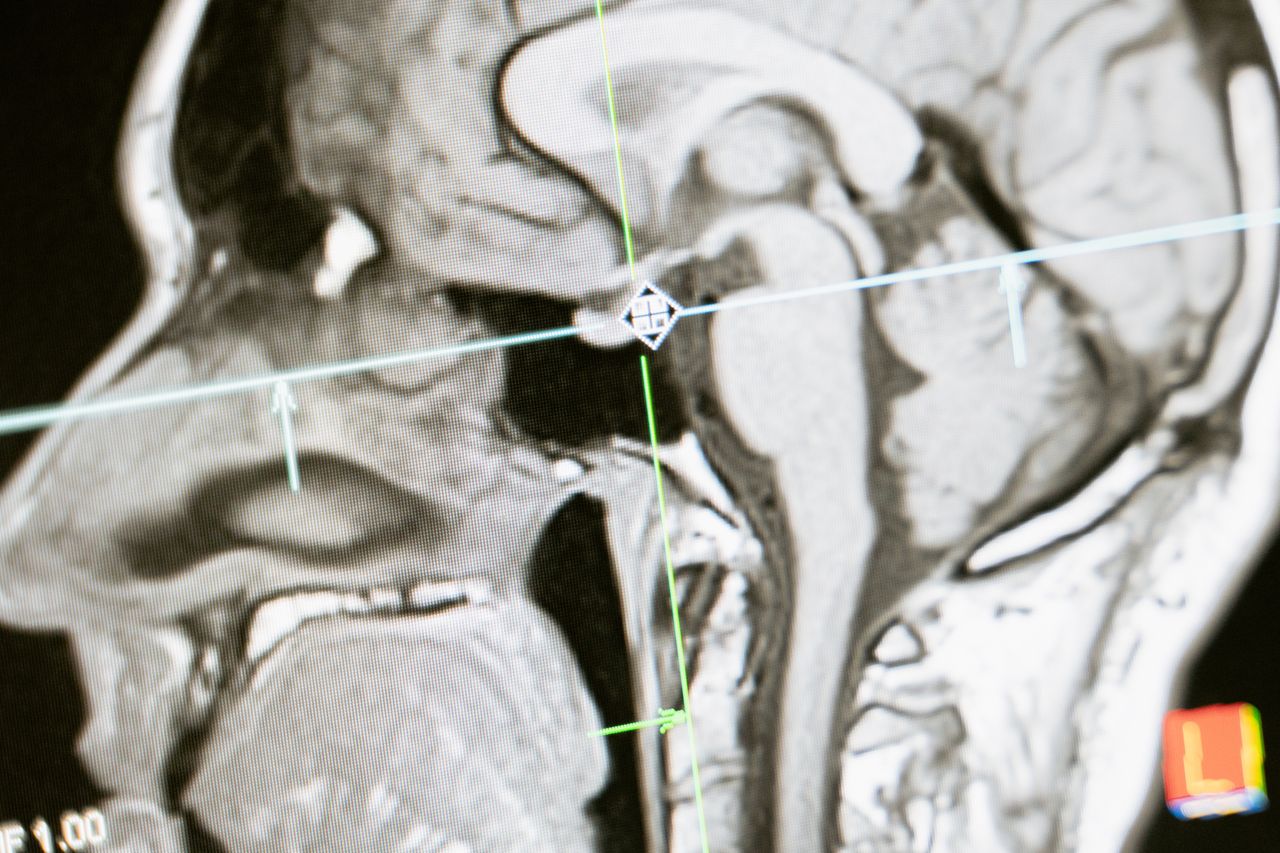
Neurosurgery Medical Billing Overview
Neurosurgery billing operates under a regulatory and payer framework that is, by any measure, the most documentation-intensive in surgical specialty care. Every cranial, spinal, and peripheral nerve procedure carries global period designations, multiple-procedure discount rules, and medical necessity documentation requirements that extend well beyond what general surgical billing handles. The procedures that generate the highest reimbursement, including lumbar microdiscectomy (CPT 63030), anterior cervical discectomy and fusion (CPT 22551), and craniotomy for tumor resection (CPT 61510), are also the procedures that payers scrutinize most aggressively through pre-payment and post-payment review programs.
Under Medicare’s Multiple Procedure Payment Reduction (MPPR) policy, when two or more surgical procedures are performed during the same operative session, the second and subsequent procedures are reimbursed at 50% of the allowable for each additional code. This rule applies across the CPT range for all neurosurgical spine and cranial procedures. Practices that fail to anticipate this reimbursement structure in their revenue projections, or that fail to apply modifiers 51, 59, or XU correctly in applicable scenarios, face systematic claim errors that can be difficult to resolve after adjudication.
Common Billing Challenges in Neurosurgery
- Spinal surgery global period management: Major neurosurgical procedures carry 90-day global periods during which all related E/M visits and procedures are bundled into the surgical fee, with no separate payment. Billing E/M services within the global period without Modifier 24 (unrelated E/M) or Modifier 79 (unrelated procedure) results in automatic denial from Medicare and most commercial payers. With neurosurgical patients often requiring complex post-operative management, tracking global periods per patient and per procedure is a high-stakes billing function.
- Prior authorization failures on elective spine surgery: Payers including UnitedHealthcare, Aetna, Cigna, and Humana require prior authorization for virtually all elective spinal surgery, including lumbar fusion (CPT 22630), cervical disc replacement (CPT 22856), and laminectomy (CPT 63047). Authorization requirements for neurosurgical procedures at Medicare Advantage plans from these same carriers often mirror or exceed commercial requirements. Missing, expired, or incorrectly scoped authorizations are the leading cause of high-dollar denials in neurosurgical practices.
- Neuromonitoring claim coordination: Many neurosurgical procedures are performed with intraoperative neurophysiological monitoring (IONM), billed separately under CPT codes 95940 and 95941. When IONM is provided by a separate entity, claim coordination between the surgical practice and the monitoring group is required to avoid duplicate billing or incorrect modifier application. CMS has specific rules governing which entity bills which IONM component based on who provided the service.
- Implant and hardware billing: Spinal fusion procedures frequently involve implantable hardware (pedicle screws, cages, rods) that is separately billable under invoice cost plus a markup, or at a fixed rate under certain payer contracts. BCBS plans and many Medicaid managed care contracts have specific implant billing rules that differ from Medicare’s pass-through cost approach. Billing implants at incorrect rates or without required invoice documentation is a common audit finding in spine surgery practices.
Key CPT Codes for Neurosurgery Billing
- CPT 63030: Laminotomy, one interspace, lumbar, with decompression of nerve root(s). One of the highest-volume spinal neurosurgery codes. Requires detailed operative documentation of the specific level treated, nerve root involvement, and intraoperative findings. When performed bilaterally, Modifier 50 applies, doubling the base reimbursement at the appropriate bilateral rate.
- CPT 22551: Arthrodesis, anterior interbody technique, including minimal discectomy to prepare interspace, cervical below C2. ACDF is among the most common elective cervical spine procedures and is subject to aggressive prior authorization requirements at all major commercial payers. Medical necessity documentation must include imaging studies, conservative treatment failure, and neurological symptom correlation.
- CPT 61510: Craniotomy for excision of intracranial neoplasm, supratentorial. The craniotomy code for supratentorial tumor resection. Reimbursement under the 2024 MPFS is substantial, but the documentation requirements are equally demanding. Operative reports must include approach description, extent of resection, and specific tumor location.
- CPT 63047: Laminectomy, facetectomy, and foraminotomy, lumbar, single level. Multi-level laminectomy is billed with CPT 63048 as an add-on code for each additional level. Payers apply MPPR discounts to each additional level code, and documentation must specify the exact levels treated.
- CPT 95941: Monitoring for intraoperative neurophysiological function, 1 or more modalities, administered in person by a physician or other qualified health care professional, each 15 minutes. The time-based IONM monitoring code. When billed by the neurosurgeon directly, requires documentation separate from the operative note reflecting monitoring activity in 15-minute increments.
Revenue Cycle Considerations for Neurosurgery
Neurosurgical A/R days average 60 to 90 days for elective spine cases and longer for complex cranial procedures requiring multi-level payer review. The primary drivers of extended A/R are prior authorization delays, post-payment audit holds by Medicare and Medicare Advantage plans, and implant billing disputes with commercial carriers. Aetna and UnitedHealthcare maintain active retrospective review programs for spinal fusion procedures, requesting operative reports and pre-operative imaging for post-payment audit within the first 12 months after claim payment.
Medicare’s Coverage Determination for lumbar fusion in beneficiaries with degenerative disc disease has evolved significantly since 2018, and commercial payers including Cigna follow similar clinical criteria frameworks. Documentation of failed conservative therapy (minimum 6 weeks of physical therapy, documented pain management attempts, serial imaging showing progression) is now a prerequisite for authorization at most major payers, not just a preferred best practice.
How My Medical Bill Solution Helps Neurosurgery Practices
My Medical Bill Solution manages neurosurgical billing at the level of specificity this specialty demands. We track surgical global periods per patient, manage prior authorization for all elective procedures through each payer’s specific portal and criteria set, coordinate IONM billing with monitoring groups, and apply the correct MPPR adjustments to multi-procedure claims before submission. When post-payment audits arrive from Medicare or Medicare Advantage plans, our team prepares and submits the operative documentation needed to sustain payment and avoid recoupment. Contact My Medical Bill Solution to discuss how specialized neurosurgery billing support can reduce your denial rate and protect your highest-value claims.