
Endocrinology Billing Experts

Endocrinology Medical Billing Services

Endocrinology billing focuses on chronic disease management for conditions like diabetes, thyroid disorders, and metabolic syndromes.

Endocrinology Medical Billing Services
210+

Endo Practices Served

97.3%

Clean Claim Rate

$2.8M

Revenue Recovered

24hr

Claim Turnaround

Overview

The Device and Chronic Care Complexity of Endocrinology Billing

Endocrinology billing focuses on chronic disease management for conditions like diabetes, thyroid disorders, and metabolic syndromes. Diabetes management codes (99211-99215) must reflect the complexity of insulin adjustments, lab reviews, and complication monitoring at each visit. Chronic care management codes (99490, 99491) offer additional revenue streams but require 20 or more minutes of documented non-face-to-face time per month.

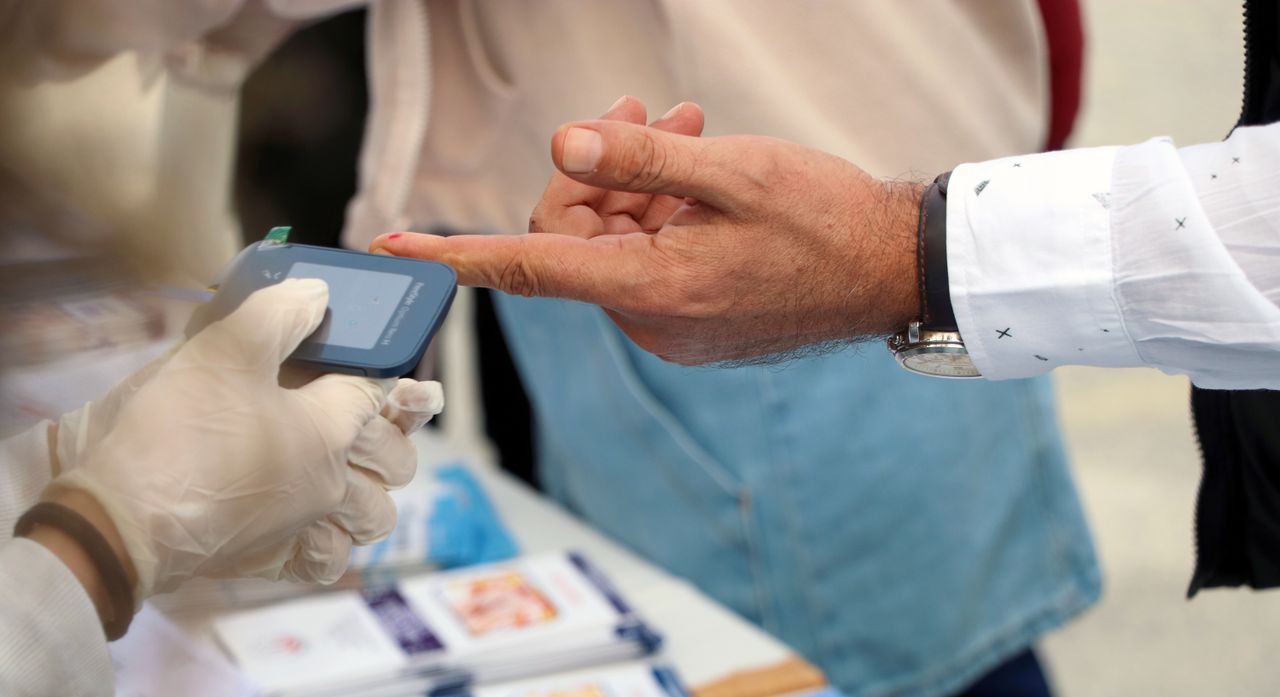
Continuous glucose monitor prescriptions and diabetes self-management training (DSMT) codes (G0108, G0109) have specific Medicare enrollment requirements that many endocrinology practices fail to meet, leaving significant reimbursement on the table.

The Device and Chronic Care Complexity of Endocrinology Billing
Challenges

Common Endocrinology billing Challenges We Solve

Every Endocrinology billing team deals with payer delays, coding nuance, and collection leakage.

Diabetes Device Billing

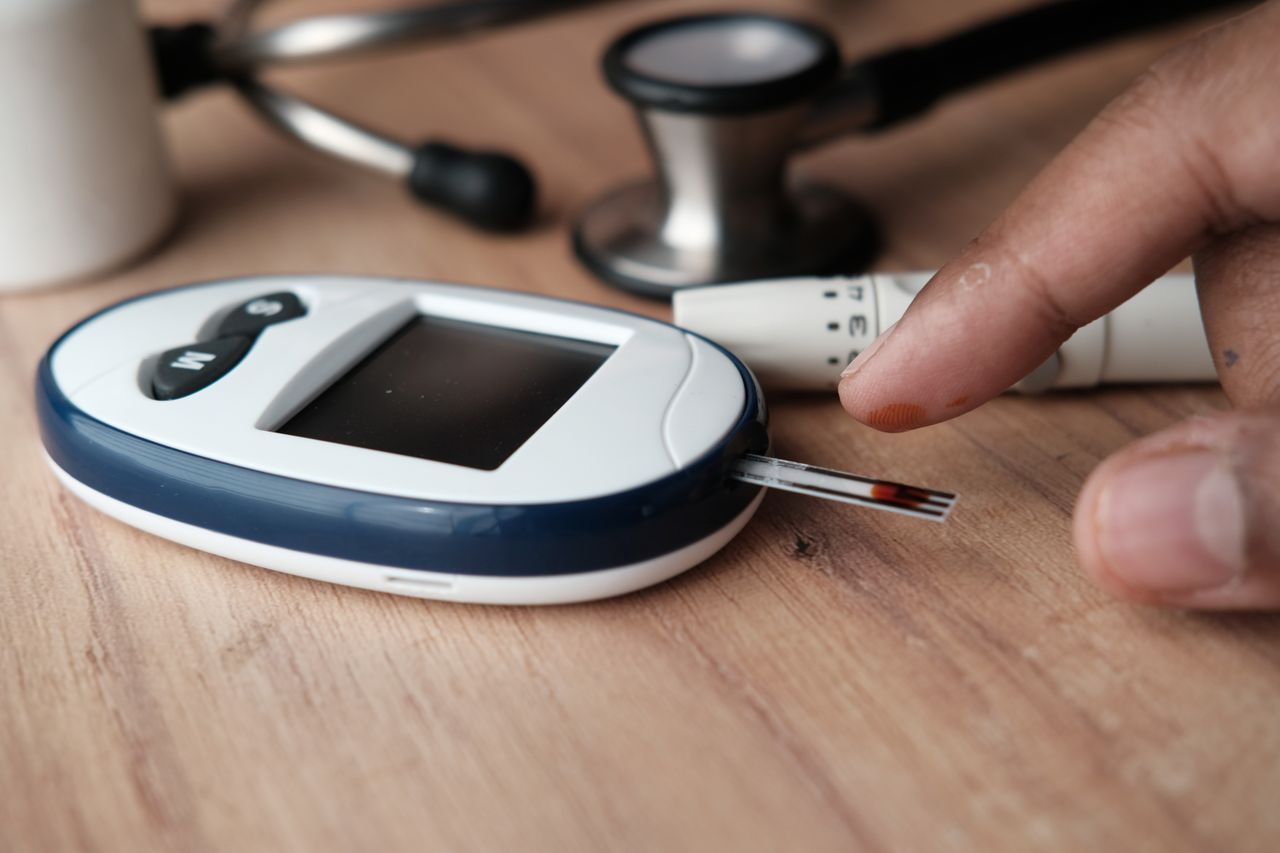
Insulin pump initiation (95249), CGM training (95250-95251), and remote physiologic monitoring (99453-99458) each have distinct billing codes with specific documentation requirements. Most practices bill for the office visit but miss the device-related codes entirely.

Chronic Care Management Revenue

Endocrinology patients with diabetes, thyroid disease, and adrenal disorders frequently qualify for CCM billing (99490, 99491). Practices that do not track non-face-to-face care time lose $40 to $90 per patient per month.

Lab Test Ordering and Billing Coordination

Endocrinology relies heavily on lab results (HbA1c, thyroid panels, cortisol levels). When labs are drawn in-office vs sent to external labs, the billing responsibility shifts. Incorrect CLIA waiver assumptions cause compliance problems.

Hormone Therapy Authorization

Growth hormone therapy, testosterone replacement, and fertility hormone treatments require prior authorization with extensive clinical documentation. Denials for medical necessity are common and require detailed appeals.

Services

Complete Endocrinology billing Services

Support spans the full revenue cycle.

Diabetes device billing (insulin pumps, CGM, RPM)

Chronic care management (CCM) tracking and billing

Thyroid, adrenal, and pituitary disorder coding

Hormone therapy prior authorization and appeals

Diabetic self-management education (DSME) billing

Lab billing coordination and CLIA compliance

Coverage

Serving Endocrinology billing Teams Nationwide

We support independent practices and growing provider organizations.

Independent physician groups

Multi-location practices

Private equity backed platforms

Hospital-owned outpatient groups

Guide

The Complete Guide to Endocrinology billing

Why Endocrinology Billing Requires Specialized Expertise

Endocrinology practices manage complex chronic conditions that demand ongoing monitoring, frequent lab work, and coordinated care plans. Diabetes alone accounts for a significant share of endocrine billing volume, and the coding landscape continues to evolve with new remote monitoring technologies and care management programs that create both revenue opportunities and compliance risks.

Office Visits and Chronic Disease Management

Evaluation and management codes (99213, 99214, 99215) form the foundation of endocrinology billing. Accurate leveling depends on medical decision-making complexity, which is often high given the multi-system nature of endocrine disorders. Many endocrinologists undercode at 99213 when their documentation supports 99214 or 99215, leaving substantial revenue uncaptured. Each visit should reflect the number of conditions addressed, data reviewed, and risk of management decisions.

Chronic care management (CPT 99490) offers a recurring monthly revenue stream for patients with two or more chronic conditions. Diabetes patients frequently qualify, but the program requires at least 20 minutes of clinical staff time per month, a documented care plan, and patient consent. Practices that implement CCM effectively can generate meaningful revenue while improving outcomes.

Diabetes-Specific Billing Opportunities

Continuous glucose monitoring (CPT 95250 for professional CGM application, 95251 for interpretation) has become a standard tool in diabetes management. Billing requires documentation of the clinical indication and a minimum 72-hour recording period. HbA1c testing (83036) and basic metabolic panels (80048) drawn via venipuncture (36415) are routine but must be linked to appropriate diagnosis codes to avoid medical necessity denials.

Diabetes self-management training (DSMT) codes G0108 (individual) and G0109 (group) allow reimbursement for structured patient education. Medicare covers an initial 10 hours and 2 hours of follow-up training annually, though the rendering provider must be a certified diabetes educator or accredited program.

Technology and Remote Monitoring

Insulin pump management and remote physiologic monitoring codes present growing opportunities. Practices that prescribe and manage insulin pumps should document each adjustment and the clinical rationale to support E/M coding levels.

  • Audit E/M level distribution quarterly to identify undercoding patterns
  • Implement chronic care management with proper consent and time tracking
  • Document CGM medical necessity and recording duration for clean claims
  • Verify DSMT provider credentials meet payer-specific accreditation requirements
  • Track insulin pump management visits to capture appropriate complexity levels
Common Questions

Frequently Asked Questions About Endocrinology billing

Answers to the questions practice owners ask most often.

CGM billing includes the initial setup and patient training (95250), data interpretation (95251), and ongoing remote physiologic monitoring (99453 for device setup, 99454 for device supply, 99457-99458 for monitoring time). We track each component separately to ensure full reimbursement.

Most endocrinology practices leave CCM revenue on the table because they do not track the 20+ minutes of monthly non-face-to-face care coordination required for billing. For a practice with 200 qualifying patients, that represents $96,000 to $216,000 in annual revenue.

Yes. Growth hormone authorization requires documentation of the underlying diagnosis (GH deficiency, Turner syndrome, etc.), lab results (IGF-1, GH stimulation testing), growth charts for pediatric patients, and sometimes bone age studies. We compile all required documentation and manage the prior auth process through approval.

Thyroid nodule evaluation involves the office visit (E/M), thyroid ultrasound (76536), fine needle aspiration (10005-10012 with imaging guidance), and cytopathology interpretation (88172-88173). We ensure each component is billed to the correct provider and that imaging guidance is captured when performed.

Diabetes self-management education (DSME) is billed using G0108 (individual) or G0109 (group) for Medicare patients. Commercial payers may accept CPT 98960-98962. Initial education allows 10 hours of training, with 2 hours of annual follow-up. We manage the referral, authorization, and session tracking.

Yes. We ensure in-office labs are billed correctly under your practice's CLIA certificate. Waived tests (HbA1c via point-of-care, glucose) can be billed directly. More complex panels must be sent to a reference lab if your CLIA certificate does not cover moderate complexity testing.

READY TO GET STARTED?

Start Billing Smarter for Endocrinology billing

Get a revenue review and a clear action plan tailored to your practice.

HIPAA Compliant · No Upfront Fees · No Long-Term Contracts