

Cardiology Billing in Houston Overview
Houston cardiology practices face one of the most demanding billing environments in Texas. High patient volume, a large Texas Medicaid STAR population, significant Medicare and Medicare Advantage enrollment in Harris County, and a commercial payer market dominated by Blue Cross Blue Shield of Texas, Aetna, and United Healthcare create a billing landscape where every process gap costs real money. If your cardiology practice in Houston is seeing denial rates above 12% or accounts receivable aging past 45 days, this page outlines the specific steps to fix both problems.
Houston is home to the Texas Medical Center, the largest medical complex in the world, and the cardiology practices operating in and around it serve an exceptionally diverse patient population. Medicaid STAR patients, uninsured patients, Medicare beneficiaries, large employer commercial plan members, and international medical travelers all appear on the same clinic schedules. Each requires a different billing approach, and managing that complexity without a structured revenue cycle system is how Houston cardiology practices lose $80,000 to $150,000 per year in avoidable billing failures.
Texas Payer Landscape for Cardiology Practices
Texas Medicaid STAR in Houston is administered through Amerigroup Texas, Molina Healthcare of Texas, United Healthcare Community Plan Texas, and Blue Cross Blue Shield of Texas. For cardiovascular services, prior authorization is required by all four MCOs for echocardiography, stress testing, and interventional procedures. Amerigroup applies InterQual criteria. Molina applies MCG Health criteria. UHC Community Plan applies its own cardiovascular coverage policies. BCBSTx applies Blue Advantage cardiovascular criteria.
On the commercial and Medicare Advantage side, Houston’s dominant payers include Blue Cross Blue Shield of Texas, Aetna, Cigna, and United Healthcare. Medicare Advantage penetration in Harris County exceeds 38% of Medicare eligibles. The dominant MA plans are Humana, United Healthcare AARP, and Aetna Medicare Advantage. Each has different visit authorization requirements for cardiology services than traditional Medicare Part B.
Common Billing Issues for Houston Cardiology Providers
- Step 1: Build separate authorization workflows for each STAR MCO. Amerigroup, Molina, UHC, and BCBSTx each use different clinical criteria for cardiovascular prior authorizations. Create a payer-specific checklist for each MCO that lists the exact clinical documentation required before submitting an authorization request. A generic auth request submitted to Molina that was formatted for Amerigroup will be denied, restarting the clock and delaying care.
- Step 2: Verify Medicare Advantage plan assignment before every cardiology service. Houston cardiology practices with high Medicare volume must verify whether each patient is enrolled in traditional Medicare or a Medicare Advantage plan before scheduling echocardiograms or stress tests. MA plans including Humana and UHC AARP require prior authorization for CPT 93306 and CPT 93015. Traditional Medicare Part B does not require prior authorization for these codes in the same circumstances.
- Step 3: Apply correct global period modifiers for post-procedure visits. Cardiology procedures including cardiac catheterization and pacemaker insertion carry CMS global periods of 90 days. Post-procedure office visits billed as 99213 or 99214 within the global period require modifier 24 if unrelated to the procedure or modifier 25 if a significant separately identifiable service. Missing these modifiers generates systematic denials from both Medicare and STAR MCOs.
- Step 4: Separate your NCCI edit management from your standard billing workflow. CMS NCCI edits apply to multiple echocardiography and cardiac imaging code combinations. CPT 93306 with add-on codes 93320 and 93325 are subject to edits that require modifier review before submission. Houston cardiology practices that do not have NCCI edit logic built into their billing software generate avoidable claim rejections on their highest-value cardiology codes.
Key CPT Codes for Cardiology in Texas
- CPT 93306 (echocardiography, transthoracic, complete): The highest-value diagnostic code in most Houston cardiology practices. Texas Medicaid STAR reimburses at $180 to $225 per study. Medicare reimbursement in the Houston locality runs approximately $217. Prior authorization required by all four STAR MCOs and most Houston Medicare Advantage plans.
- CPT 93015 (cardiovascular stress test, supervision and interpretation): Requires prior authorization from Amerigroup and Molina for STAR members. Documentation must include the clinical indication, performing physician credentials, and equipment certification. Aetna and UHC commercial plans in Houston require authorization for this code for most cardiac diagnoses.
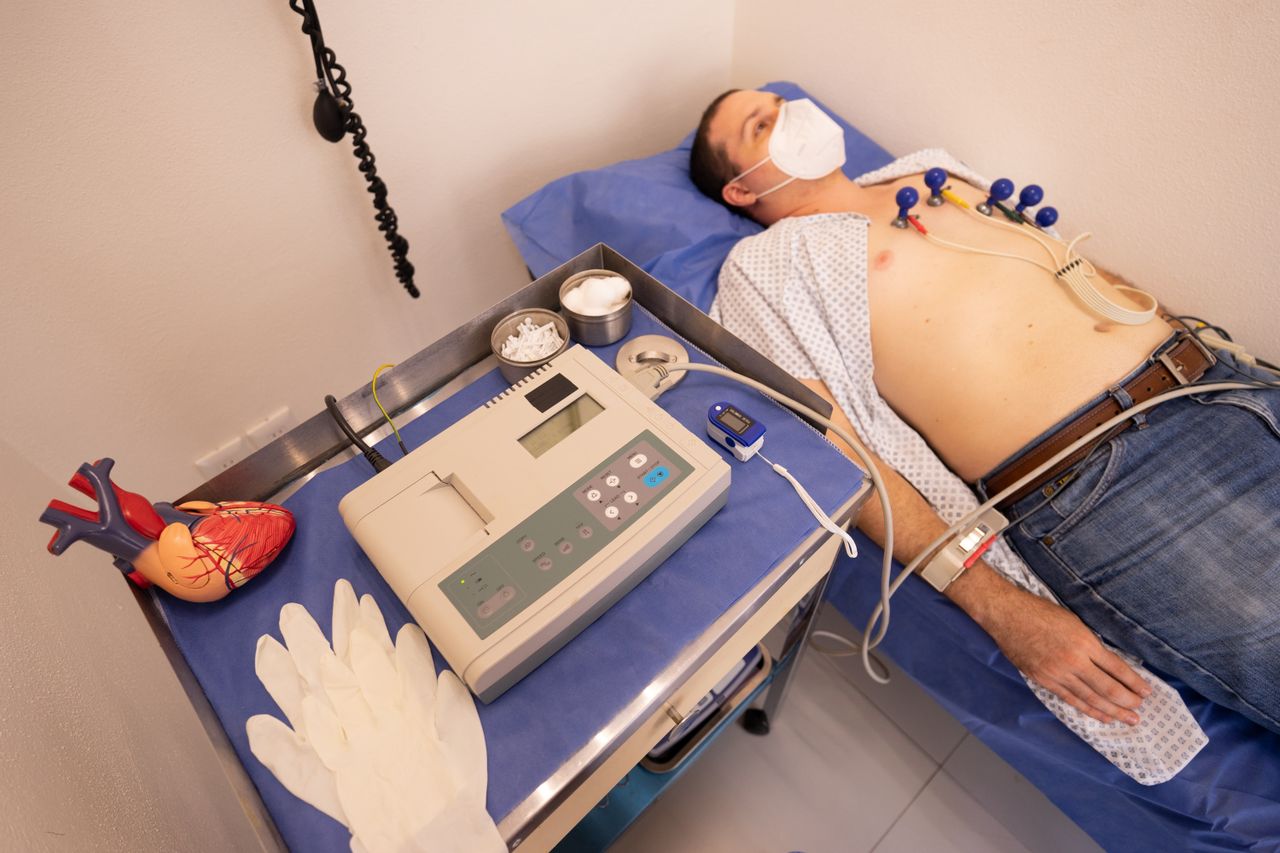
- CPT 93000 (ECG with interpretation): High-volume, lower-value code used across most Houston cardiology visits. All STAR MCOs and commercial payers cover this code without prior authorization. Texas Medicaid reimburses at $18 to $23. Requires the interpreting cardiologist’s signature on the ECG strip for documentation compliance.
- CPT 99214 (established patient, moderate complexity): The most commonly billed E&M code in Houston cardiology practices. BCBSTx and Aetna both apply documentation audit criteria to practices billing 99214 at rates significantly above specialty averages. Ensure that documentation supports the required two of three key components: detailed history, detailed exam, and moderate medical decision-making.
- CPT 93798 (cardiac rehabilitation, per session): Covered by Texas Medicaid for qualifying diagnoses including recent myocardial infarction (I21.x) and stable angina (I20.8) in supervised programs. Houston cardiology practices that supervise cardiac rehab must credential separately with each STAR MCO for cardiac rehabilitation services.
Revenue Cycle for Cardiology Practices in Houston
Houston cardiology revenue cycle management works at two timescales. The first is claim submission speed: clean claims submitted within 48 hours of service collect faster and with fewer follow-up touchpoints than claims submitted at 5 to 7 days. The second is denial follow-up speed: Houston payers including BCBSTx and Aetna enforce timely appeal windows of 120 to 180 days. Denials not worked within 60 days of receipt leave you with less than half the total appeal window remaining.
Practices in Houston that combine fast claim submission with aggressive denial follow-up consistently achieve accounts receivable days below 38 and first-pass claim acceptance rates above 91%. Those that do not achieve this combination average accounts receivable days of 52 to 68 and annual write-off rates of 12 to 18% of gross charges.
How My Medical Bill Solution Helps Houston Cardiology Providers
My Medical Bill Solution handles cardiology billing for practices throughout Harris County and the greater Houston metro. We manage STAR MCO prior authorizations using the correct clinical criteria for each MCO, verify Medicare Advantage plan status before every cardiology procedure, apply correct NCCI modifier logic on echocardiography code combinations, and follow up on every unpaid claim within 30 days. Contact My Medical Bill Solution today for a free billing assessment tailored to your Houston cardiology practice.