
Cardiology Billing in Dallas Overview
A North Dallas cardiology group’s net collection rate drifted from 94 percent down to 88 percent over 18 months. The audit found the cause: UnitedHealthcare had changed its prior authorization requirements for echocardiography codes in Texas in 2023, and the billing team had not updated their pre-authorization workflow. For 14 months, echocardiography claims went out without required authorization numbers, were denied, and the appeals failed because they did not meet UHC’s specific documentation requirements. More than $280,000 was written off as non-recoverable. Not fraud, not a coding error. A payer policy change that the billing team missed.
Dallas cardiology billing is exactly that kind of environment. The DFW metro’s cardiology market is large, sophisticated, and high-revenue, but it is also served by a commercial payer landscape that changes its prior authorization and coverage policies with enough frequency to create real revenue risk for practices that do not actively monitor payer updates. BCBS of Texas, UnitedHealthcare, Aetna, and Cigna together cover the majority of the commercially insured cardiology patient population in Dallas, and all four apply active benefit management to high-cost cardiac services including advanced imaging, electrophysiology procedures, and cardiac catheterization. The practices that protect their revenue in this environment are the ones with billing processes that track payer policy changes the same way clinical staff track treatment guidelines.
Texas Payer Landscape for Cardiology Practices
Texas Medicaid covers cardiology through the STAR program in Dallas County via Amerigroup Texas, Molina Healthcare of Texas, and UnitedHealthcare Community Plan of Texas. Prior authorization is required for most advanced cardiac imaging and procedures. On the commercial side, BCBS of Texas holds the largest DFW market share, followed by UnitedHealthcare, Aetna, and Cigna. All four apply active prior authorization requirements for echocardiography, stress testing, cardiac catheterization, and electrophysiology studies in Texas. Medicare Part B cardiology claims are processed by Novitas Solutions under local coverage determinations for cardiac imaging and monitoring.
Common Billing Issues for Dallas Cardiology Providers
- Prior authorization changes for echocardiography: UnitedHealthcare and Aetna have both updated their echocardiography prior authorization requirements for Texas providers multiple times since 2021. The updates affect which CPT codes require upfront authorization versus which can be retrospectively reviewed. Dallas cardiology practices that do not monitor payer policy bulletins on a quarterly basis regularly submit echocardiography claims without required authorizations and face systematic denial patterns that are expensive to resolve on appeal.
- Global period billing violations for cardiac procedures: Cardiology involves a significant number of procedures with 0-day or 10-day global periods. Dallas practices that bill E/M visits during a procedure’s global period without the correct modifier (24 for unrelated service, 25 for significant separately identifiable service on same date) receive automatic NCCI-based denials from BCBS of Texas and UnitedHealthcare. The modifier must be applied correctly at the time of submission, not added as an appeal correction.
- Incident-to billing compliance for mid-level providers: Many Dallas cardiology groups employ nurse practitioners and physician assistants who see established patients for follow-up visits. Incident-to billing under the supervising cardiologist’s NPI is permissible under Medicare when the supervising physician is physically present in the suite, but commercial payer incident-to rules in Texas vary by plan. Billing incident-to for UHC commercial patients under rules that differ from Medicare requirements creates audit exposure for the entire group NPI.
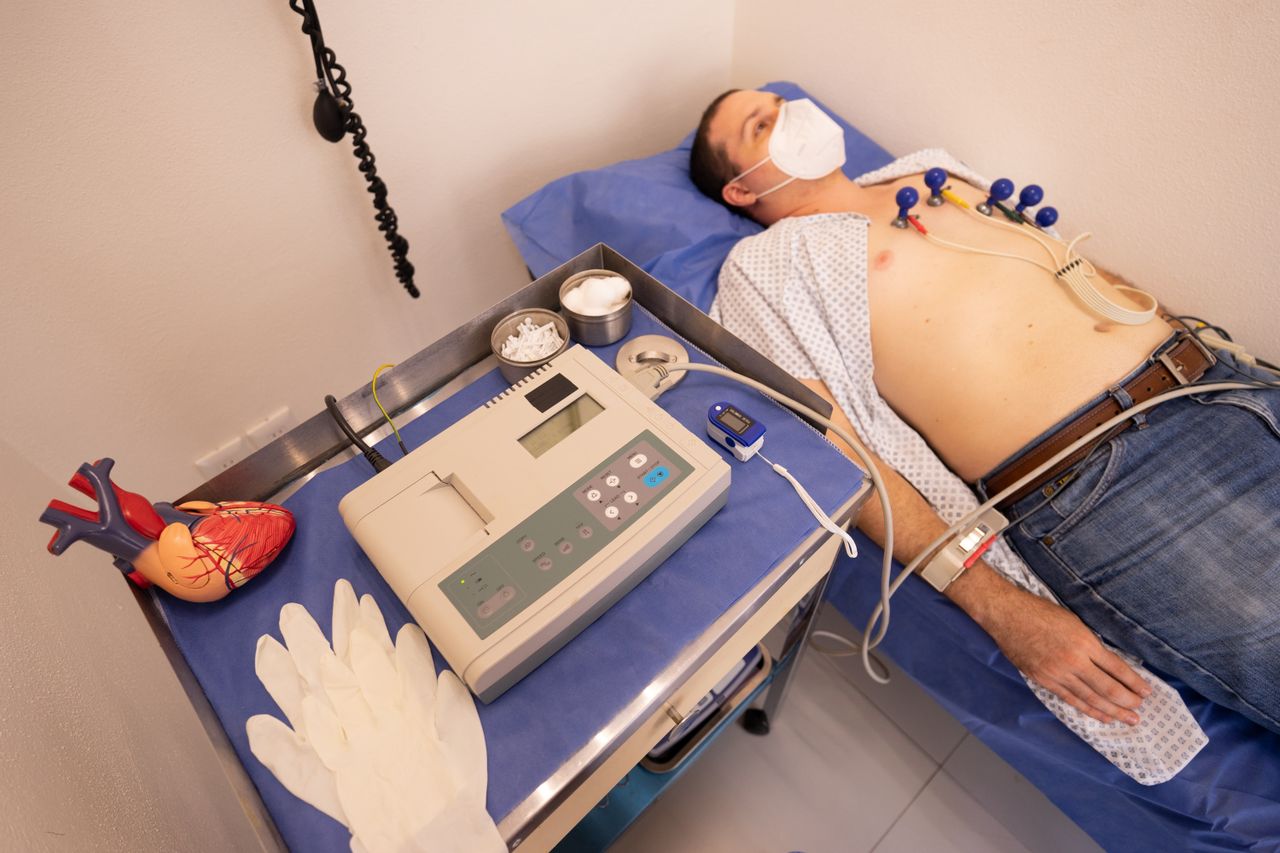
- Bundling of cardiac monitoring codes: CPT 93000 (routine ECG with interpretation and report) is frequently bundled into the E/M reimbursement by BCBS of Texas and Aetna when an ECG is performed in the cardiology office on the same date as an office visit. Dallas practices that bill 93000 separately from 99213 or 99214 without documenting that the ECG was ordered as a distinct diagnostic study, not as part of the visit examination, receive automatic bundling denials.
Key CPT Codes for Cardiology in Texas
- CPT 93000: Electrocardiogram, routine ECG with at least 12 leads, with interpretation and report. High-volume code in Dallas cardiology offices. BCBS of Texas bundles 93000 into E/M codes 99213-99215 when performed on the same date unless the ECG is documented as a separately ordered diagnostic study with distinct medical necessity. Keep the ECG order and interpretation in the chart separate from the visit note.
- CPT 93306: Echocardiography, transthoracic, real-time with image documentation, complete. The highest-value outpatient cardiac imaging code in Dallas cardiology billing. Requires prior authorization from UnitedHealthcare, Aetna, and Cigna for most Texas group plans. BCBS of Texas requires authorization for 93306 when ordered by a non-cardiologist but applies an expedited review process for cardiologist-ordered studies. Confirm authorization requirements per referring provider specialty.
- CPT 99213: Office/outpatient visit, established patient, moderate complexity. High-volume E/M code in Dallas cardiology follow-up visits. BCBS of Texas and Novitas Solutions require MDM documentation that supports the complexity level selected. Template-based MDM documentation without narrative clinical context fails audit review for cardiology E/M codes more frequently than in primary care.
- CPT 99214: Office/outpatient visit, established patient, moderate-high complexity. Appropriate for established cardiology patients with multiple chronic conditions or complex medication management. Aetna and Cigna in Dallas conduct E/M coding pattern audits and flag practices with 99214 as the exclusive E/M level for all established patients.
- CPT 93015: Cardiovascular stress test, using maximal or submaximal treadmill or bicycle exercise, continuous electrocardiographic monitoring, with physician supervision, with interpretation and report. Prior authorization required from most commercial payers in Dallas for non-emergent stress testing. Novitas Solutions local coverage determination for stress testing (LCD L34718) applies specific indication criteria that must be documented in the chart before the study is performed.
Revenue Cycle for Cardiology Practices in Dallas
Net collection benchmarks for Dallas cardiology: 93 to 96 percent commercial, 88 to 91 percent Texas Medicaid, 94 to 97 percent Medicare. The highest-dollar denial category is cardiac imaging. Authorization-related echocardiography denials cannot be appealed retroactively under most Texas commercial plans, so a front-end authorization workflow updated quarterly is the primary defense. Practices with mid-level providers should conduct an annual incident-to billing compliance review: Medicare incident-to requires the cardiologist to have initiated the treatment plan and be physically present in the suite, and commercial incident-to rules in Texas vary by plan.
How My Medical Bill Solution Helps Dallas Cardiology Providers
My Medical Bill Solution works with Dallas cardiology practices on the specific revenue cycle challenges that define cardiology billing in the DFW market: prior authorization tracking for echocardiography and stress testing, global period modifier compliance, incident-to billing review, and Novitas Solutions Medicare local coverage determination documentation. We monitor payer policy bulletins for BCBS of Texas, UnitedHealthcare, Aetna, and Cigna on a quarterly basis and update authorization workflows when requirements change. That is the kind of proactive billing management that prevents the 18-month denial pattern described at the start of this page. Contact My Medical Bill Solution to schedule a Dallas cardiology billing assessment and find out exactly where your revenue cycle is at risk.