
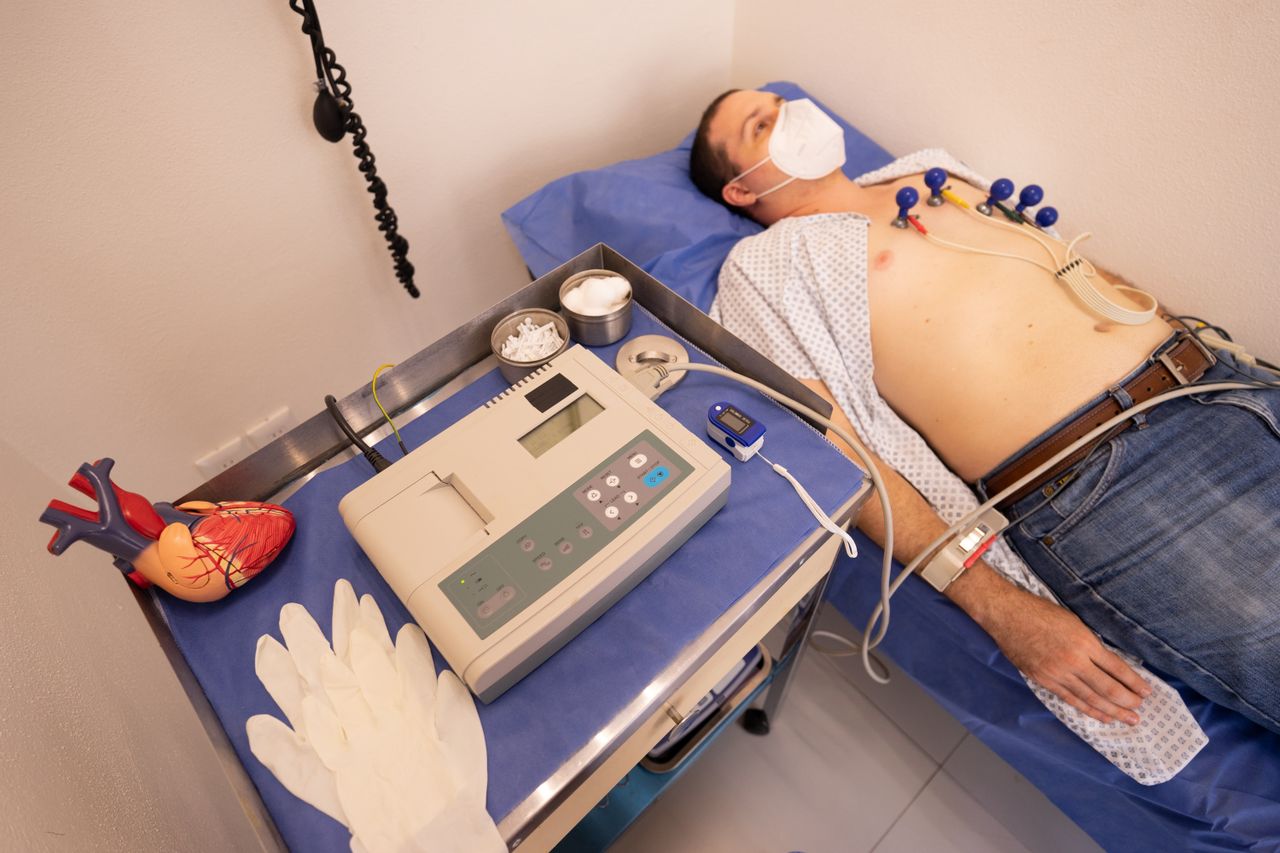

Cardiology Billing in Philadelphia Overview
Running a cardiology practice in Philadelphia puts you at the center of one of the most complex payer environments on the East Coast. Whether your patients come from Center City, West Philadelphia, Germantown, or the surrounding Delaware Valley suburbs, they bring with them a mix of PA Medicaid, Medicare, Keystone Health Plan, and employer-sponsored commercial coverage that each carries its own authorization requirements, fee schedules, and appeal timelines. And you are doing all of this while managing high-acuity cardiac patients who need your full attention, not billing headaches.
Philadelphia’s cardiology market is shaped by its major academic medical centers, Penn Medicine, Jefferson Health, Temple Health, and Drexel Medicine, all of which have large employed cardiology groups with complex hospital-professional billing arrangements. But independent and small-group cardiologists throughout the Philadelphia metro face the same payer landscape and often without the billing infrastructure those large systems can afford. You deserve the same quality of billing support, regardless of your practice size.
Pennsylvania Payer Landscape for Cardiology Practices
Pennsylvania Medicaid is known as Medical Assistance (MA), and in Philadelphia and surrounding counties, it runs through managed care organizations including Highmark Wholecare (formerly Gateway Health), UPMC Health Plan (which has expanded significantly into eastern PA), Aetna Better Health of Pennsylvania, and Keystone First (AmeriHealth). Each of these MCOs applies its own prior authorization requirements for cardiology procedures. Aetna Better Health PA, for example, requires authorization for echocardiography (CPT 93306), nuclear stress testing (CPT 78452), and all cardiac catheterization procedures. UPMC Health Plan’s eastern PA expansion has been rapid, and their authorization workflows are not yet familiar to many Philadelphia cardiology practices, creating avoidable claim delays.
On the commercial side, Independence Blue Cross is the dominant payer in Philadelphia, with a market share that no cardiology group can afford to ignore. Independence Blue Cross uses a tiered authorization system for cardiology services, where procedures above a dollar threshold trigger a separate clinical review step beyond standard precertification. Highmark BCBS covers many Philadelphia-area patients with employer plans from Lehigh Valley and western PA employers. Cigna and Aetna commercial round out the major commercial payer mix. All major commercial plans in Philadelphia require cardiology-specific prior authorization for echocardiography and interventional procedures.
Common Billing Issues for Philadelphia Cardiology Providers
- PA Medicaid MCO assignment errors: Philadelphia Medical Assistance patients are enrolled in specific MCOs through the Managed Care Assistance Program (MCAP). A patient who switches from Keystone First to Aetna Better Health at renewal may not inform your front desk. Billing the wrong MCO results in a denial that requires a coordination-of-benefits correction and resubmission, adding 45 to 60 days to your collection timeline.
- Independence Blue Cross clinical review delays: IBC’s tiered authorization system for high-value cardiology procedures often triggers an internal clinical review that can extend precertification timelines by 5 to 10 business days. Practices that schedule procedures before authorization is fully confirmed face medical necessity denials that are difficult to appeal retroactively.
- Hospital-professional split billing at academic centers: Philadelphia cardiologists with privileges at Penn Medicine or Jefferson Health who bill the professional component separately from the facility must apply modifier -26 consistently. Inconsistent application leads to bundling denials that require manual resubmission with each payer.
- Pennsylvania prompt pay law and slow commercial payer compliance: Pennsylvania’s Prompt Payment Act requires commercial insurers to pay clean claims within 45 days. Some smaller MCOs routinely exceed this window. Practices without active A/R follow-up at the 30-day mark leave significant interest-eligible balances unaddressed.
Key CPT Codes for Cardiology in Pennsylvania
- CPT 93000 (Electrocardiogram, routine): PA Medical Assistance covers this service without prior authorization. Independence Blue Cross allows incident-to billing in group practices but requires the supervising cardiologist to be present in the office suite, not simply on-call.
- CPT 93306 (Echocardiography, transthoracic, complete): All major PA MCOs and Independence Blue Cross require prior authorization. Documentation of clinical indication, including symptoms, ejection fraction concern, or valvular abnormality, must be included in the authorization request.
- CPT 93510 (Left heart catheterization): Requires prior authorization from all PA payers. PA Medicaid MCOs additionally require the facility to be enrolled as a cardiac catheterization laboratory with the PA Department of Human Services.
- CPT 93971 (Duplex scan, extremity veins, unilateral): Independence Blue Cross applies an AIM (Appropriate Use Management) authorization requirement for vascular imaging studies ordered by cardiologists in Philadelphia. This is a separate authorization from the standard IBC precertification process.
- CPT 93798 (Cardiac rehabilitation, per session): PA Medical Assistance MCOs cover cardiac rehabilitation for post-MI and post-CABG patients. Coverage limits and session maximums vary by MCO. Keystone First covers 36 sessions; Aetna Better Health PA requires a mid-program clinical review at session 18.
Revenue Cycle for Cardiology Practices in Philadelphia
Philadelphia cardiology practices face an average A/R cycle of 42 to 52 days, longer than the national median, driven by Independence Blue Cross’s clinical review tier and the complexity of PA Medicaid MCO authorization workflows. Denial rates in the Philadelphia cardiology market average 11 to 15 percent on first submission, with authorization failures and MCO assignment errors as the top two causes. Practices with strong payer-specific follow-up protocols collect 93 to 96 percent of expected net revenue. Those without structured follow-up collect 83 to 88 percent, a gap that compounds significantly over a full fiscal year.
The Philadelphia market rewards practices that invest in billing infrastructure. Commercial reimbursement rates are strong, Medicare Advantage penetration is manageable, and the volume of cardiac procedures driven by an older metropolitan population is consistent. If your billing process is keeping up, you are well positioned. If it is not, the revenue loss is real and ongoing.
How My Medical Bill Solution Helps Philadelphia Cardiology Providers
You should feel confident that every claim your practice submits has been checked, authorized, and coded correctly before it reaches the payer. My Medical Bill Solution manages PA Medicaid MCO authorization routing, Independence Blue Cross precertification workflows, modifier compliance for hospital-professional split billing, and structured A/R follow-up for Philadelphia cardiology practices. We want to take the billing pressure off your team so you can focus on what matters most: your patients. Contact My Medical Bill Solution to learn how we can help your Philadelphia cardiology practice collect more of what it earns.