
Cardiology Billing in Miami Overview
Miami sits at the intersection of two demanding realities for cardiology practices: a high-density Medicare population and a commercially insured patient base drawn from one of Florida’s wealthiest metro corridors. Miami-Dade County’s cardiovascular disease burden ranks among the highest in the state, driven by an older demographic and high rates of hypertension and diabetes in both the Cuban-American and Haitian-American communities. For cardiology groups operating in Brickell, Coral Gables, Doral, or North Miami Beach, that translates into high procedure volume, high claim values, and equally high denial exposure if billing processes are not airtight.
Florida’s no-fault auto insurance laws and the state’s complex dual-eligible population add regulatory layers that cardiology billers in other markets rarely encounter. Miami cardiologists seeing patients injured in auto accidents must navigate PIP billing alongside standard health coverage. Practices with hospital privileges at Jackson Memorial, Baptist Health South Florida, or Nicklaus Children’s must also manage split-bill and global surgical period claims with precision. Getting this right requires more than generic billing software. It requires specialty-specific expertise aligned with Florida’s payer rules.
Florida Payer Landscape for Cardiology Practices
Florida Medicaid runs through managed care organizations, and Miami-Dade cardiology practices interact with a distinct set of MCOs. Staywell Health Plan (now WellCare by Centene), Molina Healthcare of Florida, and UnitedHealthcare Community Plan are the dominant Medicaid MCOs in the South Florida region. Each applies its own prior authorization requirements for cardiac catheterization, stress testing, and implantable device procedures. Staywell, for instance, requires pre-authorization for nuclear stress tests (CPT 78452) and most electrophysiology procedures. Failure to confirm authorization with the correct MCO, not just the state plan, is one of the most consistent sources of denied claims among Miami cardiology groups.
On the commercial side, Florida Blue (BCBS of Florida) holds the largest market share in Miami-Dade, followed by Aetna, Cigna, and United Healthcare. Aetna and Cigna both use National Imaging Associates (NIA) as a radiology and cardiology benefit manager, which means diagnostic imaging and certain cardiac procedures require a separate NIA prior authorization entirely apart from the primary Aetna or Cigna authorization process. Florida also has a well-developed Medicare Advantage market. Humana and UnitedHealthcare Advantage plans are particularly prevalent in Miami, and their fee schedules often differ materially from traditional Medicare rates for interventional cardiology services.
Common Billing Issues for Miami Cardiology Providers
- Medicaid MCO authorization confusion: Miami cardiologists treating dual-eligible patients must verify whether the authorization requirement falls under the Medicaid MCO, the Medicare Advantage plan, or both. Misrouting an authorization request adds weeks to adjudication and frequently results in denial under the wrong plan.
- Global surgical period violations: Miami cardiologists with active cath lab schedules at Baptist Health or Cleveland Clinic Florida regularly see underpayment or denial of follow-up E/M visits that fall within the 90-day global period for cardiac catheterization procedures. Appending modifier -24 for unrelated E/M visits during the global window requires strong documentation to withstand audit.
- PIP and coordination of benefits errors: Florida’s Personal Injury Protection law requires billing auto liability first for cardiovascular services rendered after motor vehicle accidents. Many cardiology practices bill the health plan first, triggering a COB denial that can take months to untangle.
- Nuclear cardiology technical vs. professional split billing: Miami hospital-based cardiologists who interpret nuclear stress studies separately from the technical component must consistently apply modifier -26 (professional component) to avoid bundling errors, particularly with Aetna and Cigna.
Key CPT Codes for Cardiology in Florida
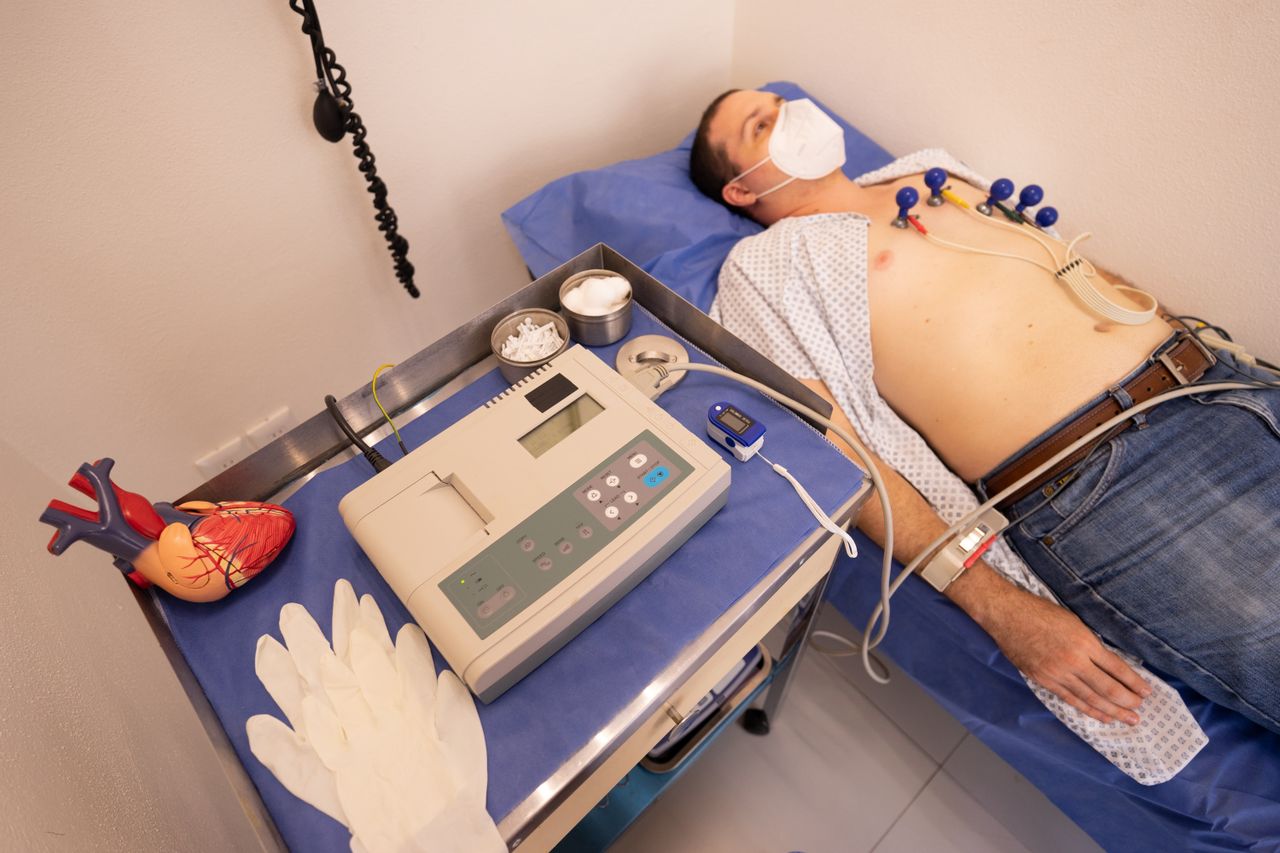
- CPT 93000 (Electrocardiogram, routine): Florida Medicare allows this as a standalone service. However, Florida Blue requires it to be billed incident-to when performed by a non-physician in a group practice setting, a rule that catches many multi-provider cardiology groups.
- CPT 93306 (Echocardiography, transthoracic, complete): NIA prior authorization is required for this code under Aetna and Cigna contracts in Florida. Florida Medicaid MCOs typically require clinical criteria documentation including ejection fraction and symptom severity before approving.
- CPT 93510 (Left heart catheterization): This high-value interventional code is a frequent target for Florida Blue and UHC post-payment audits in Miami. Documentation must include indication, hemodynamic data, and detailed narrative findings, not just a templated report.
- CPT 93798 (Cardiac rehabilitation, per session): Florida Medicare covers up to 36 sessions (with medical review approval for an additional 36). Miami Medicaid MCOs vary. Molina FL covers cardiac rehab for post-MI patients; Staywell requires a separate referral authorization distinct from the treating cardiologist’s order.
- CPT 93971 (Duplex scan, extremity veins, unilateral): Frequently ordered by Miami cardiologists investigating deep vein thrombosis. Florida Blue applies medical necessity edits requiring documented clinical findings of swelling, pain, or positive Homan’s sign in the claim record.
Revenue Cycle for Cardiology Practices in Miami
Miami cardiology practices face A/R days that run 5 to 8 days longer than the national cardiology median, driven primarily by the density of managed Medicaid and Medicare Advantage plans requiring concurrent authorization and claim resubmission cycles. Denial rates in South Florida cardiology consistently run 12 to 16 percent on first submission, with authorization-related denials accounting for approximately 45 percent of that volume. Practices without a dedicated cardiology coder familiar with Florida payer contracts frequently leave 8 to 11 percent of net revenue on the table through undercoding of complex E/M visits and failure to capture facility-side professional component charges.
The Miami market also presents collection challenges tied to uninsured patients and patients with limited English proficiency. Practices serving Little Havana and Hialeah patient populations benefit from Spanish-language patient financial counseling as part of the billing process, which reduces bad debt and improves upfront collection rates.
How My Medical Bill Solution Helps Miami Cardiology Providers
My Medical Bill Solution brings cardiology-specific billing expertise tailored to the South Florida payer environment. Our team manages prior authorization workflows for all major Florida Medicaid MCOs, handles NIA authorization for Aetna and Cigna cardiac imaging, and applies modifier rules consistently across your procedure mix. We track global surgical periods, split-bill hospital claims, and audit every claim for cardiology-specific bundling edits before submission. Miami practices working with us typically see denial rates drop below 8 percent within 90 days and A/R improvement within the first billing cycle. Contact My Medical Bill Solution to schedule a no-cost assessment of your current cardiology billing performance.