

Navigating Cardiology Billing Complexity
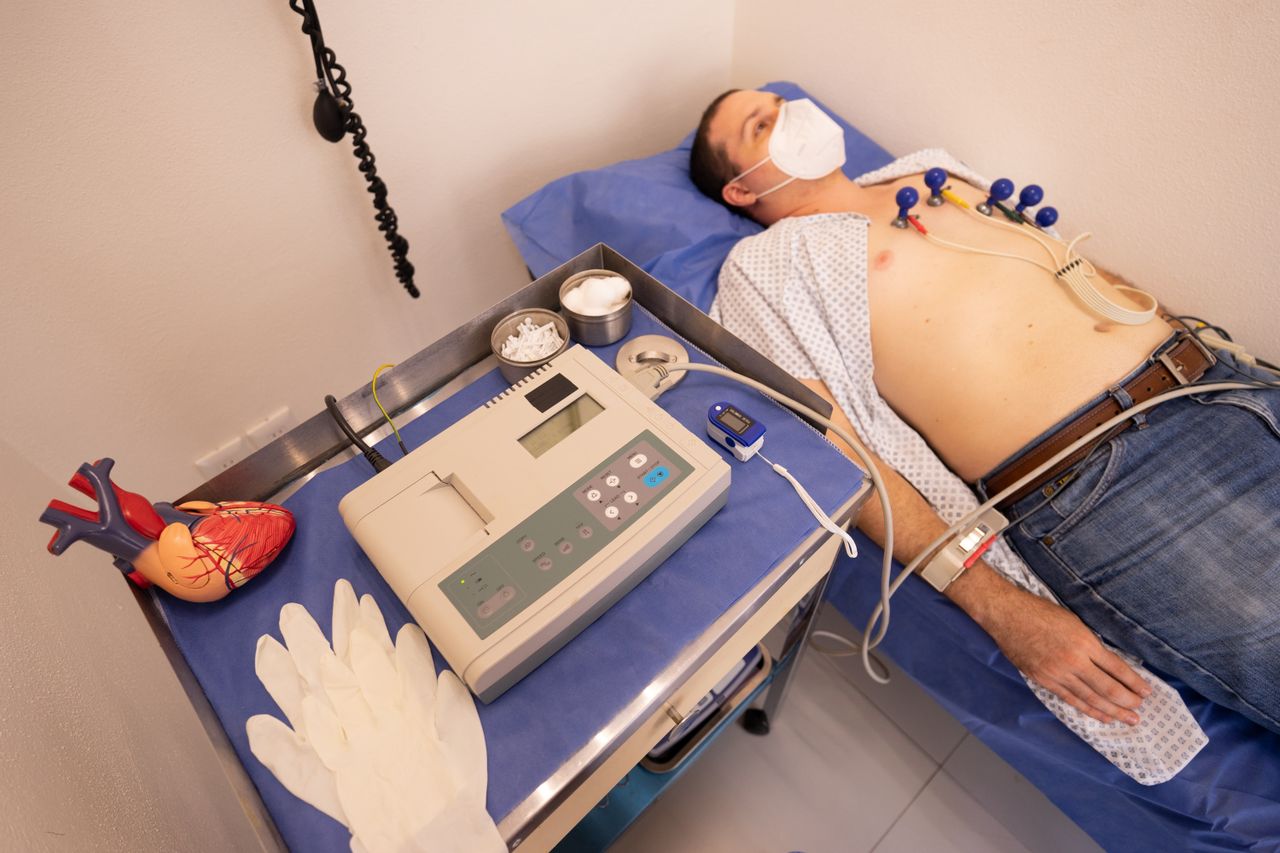
Cardiology billing demands precision across a wide spectrum of diagnostic and interventional procedures, each with specific documentation and coding requirements that directly impact reimbursement. A standard 12-lead ECG (93000) may seem straightforward, but proper use of the technical component (TC) and professional component (modifier 26) split is essential when the cardiologist interprets a test performed at a separate facility. Billing 93000 as a global service when only the interpretation was performed is one of the most common cardiology billing errors, and it triggers audits quickly.
Echocardiography represents a significant revenue stream for cardiology practices. Transthoracic echocardiograms (93306 for complete study with Doppler and color flow) require documentation of all structural elements examined, including valve function, chamber dimensions, and wall motion analysis. Stress echocardiography (93350) must be billed alongside the appropriate stress test code (93015-93018), and documentation needs to clearly establish medical necessity through symptoms such as chest pain, dyspnea on exertion, or abnormal prior findings. Payers frequently deny stress echo claims when the ordering indication is too vague or when a recent prior study exists without documented clinical change.
Interventional cardiology procedures carry the highest reimbursement but also the heaviest prior authorization burden. Cardiac catheterization (93452 for left heart cath, 93453 for combined left and right) and coronary angiography (93458 for left heart cath with injection for left coronary arteriography) require pre-authorization from most commercial payers, and Medicare Advantage plans have increasingly added these to their prior auth lists. Missing a prior auth deadline can mean a complete denial on a procedure that generates thousands in revenue.
Key Documentation and Payer Considerations
Proper documentation for cardiology billing extends beyond procedure notes. Payers expect chart notes to include the clinical indication, findings correlated to symptoms, and a clear treatment plan. For diagnostic catheterization that leads to same-session intervention (such as percutaneous coronary intervention), correct use of modifier 59 or XE to distinguish the diagnostic study from the therapeutic procedure prevents bundling denials.
- Always verify modifier 26/TC split based on where the service was performed and who owns the equipment
- Submit prior authorization requests at least 5 business days before scheduled interventional procedures
- Document medical necessity for repeat echocardiograms by noting interval changes in clinical status
- Track timely filing deadlines closely, as high-dollar interventional claims denied for late submission are costly to write off