
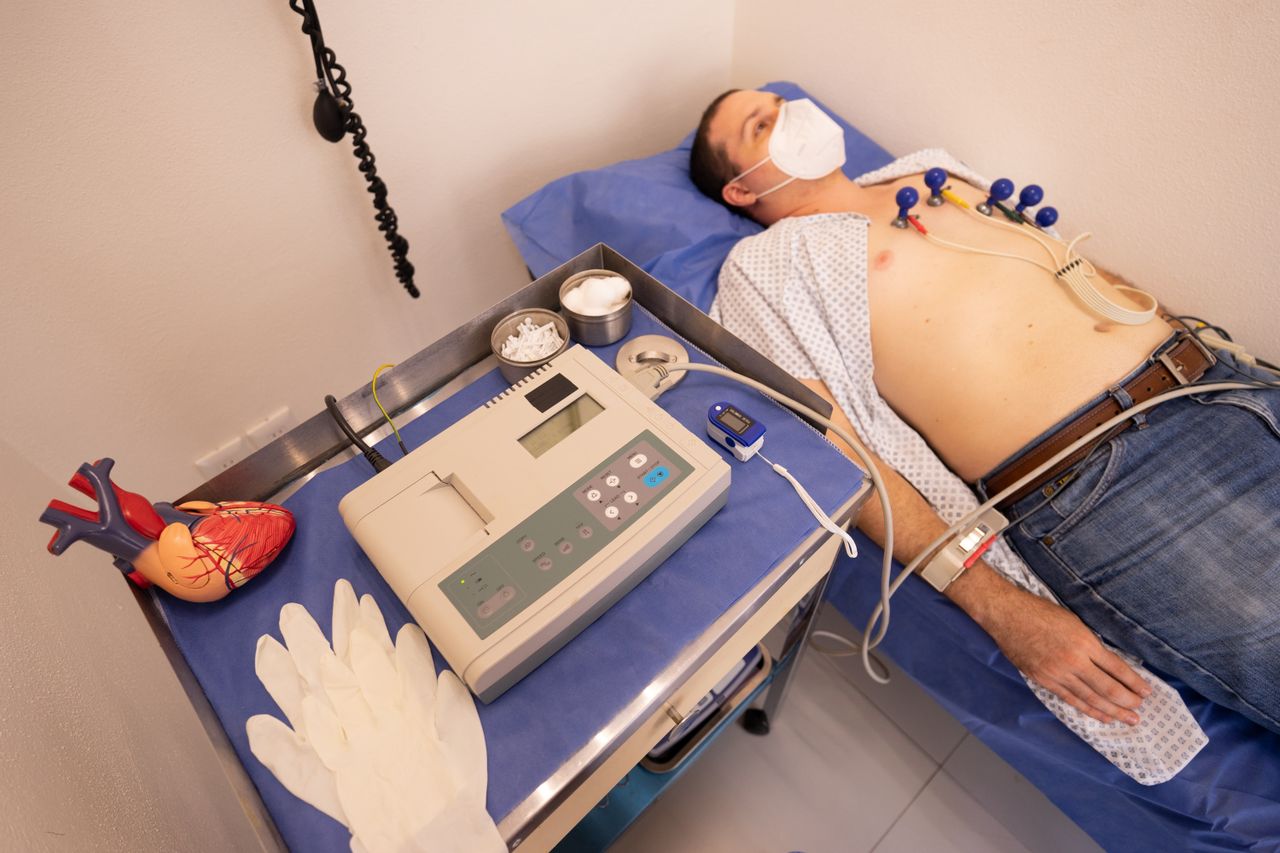

Cardiac Electrophysiology Billing Experts

Cardiac Electrophysiology Medical Billing Services

Cardiac electrophysiology billing involves highly technical procedure codes for arrhythmia diagnosis and device management.

Cardiac Electrophysiology Medical Billing Services
96%

Clean claim submission rate

25%

Revenue increase average

26 days

Average days in A/R

99%

Remote monitoring capture rate

Overview

Revenue Cycle Excellence for Cardiac EP Labs and Device Clinics

Cardiac electrophysiology billing involves highly technical procedure codes for arrhythmia diagnosis and device management. Electrophysiology studies (93600-93660) are coded based on the specific structures mapped and the complexity of the diagnostic evaluation. Catheter ablation procedures (93653-93657) require documentation of the arrhythmia mechanism targeted, the ablation energy source, and the endpoint criteria used to confirm successful treatment.

Implantable device management codes (93279-93299) for pacemakers, ICDs, and cardiac resynchronization devices require documentation of the device interrogation, parameter adjustments, and clinical decision-making. Remote monitoring codes (93297-93299) have specific data transmission and physician review requirements. Many practices underutilize remote monitoring billing despite having the technology infrastructure in place.

Revenue Cycle Excellence for Cardiac EP Labs and Device Clinics
Challenges

Common Cardiac Electrophysiology billing Challenges We Solve

Every Cardiac Electrophysiology billing team deals with payer delays, coding nuance, and collection leakage. We tighten those weak points before they turn into write-offs.

Multi-Component EP Study Coding

A comprehensive EP study involves 5-8 separately billable components (catheter placement, recording, stimulation, mapping, ablation). Missing any component on high-value cases leaves substantial revenue on the table for each procedure.

Device Implantation and Revision Coding

Pacemaker, ICD, and CRT implantation codes (33206-33249) differ by device type, lead configuration, and whether the procedure is an initial implant or generator replacement. Selecting the wrong code combination affects reimbursement by thousands per case.

Catheter Ablation Authorization and Documentation

AF ablation (93656), VT ablation (93654), and complex SVT ablation require prior authorization with documentation of failed medical therapy, symptom burden, and arrhythmia documentation. Incomplete authorization requests delay procedures and create revenue gaps.

Remote Monitoring Revenue Capture

Device remote monitoring (93291-93299) generates predictable recurring revenue but requires consistent 91-day monitoring period tracking, timely report generation, and proper billing of each monitoring transmission for every active patient.

Services

Complete Cardiac Electrophysiology billing Services

Support spans the full revenue cycle, from front-end verification to denial recovery and reporting.

EP study multi-component procedure coding

Catheter ablation (SVT, VT, AF) billing

Device implantation and revision coding

Remote device monitoring revenue management

Prior authorization for EP procedures

Lead extraction and complex revision billing

Coverage

Serving Cardiac Electrophysiology billing Teams Nationwide

We support independent practices, multisite groups, and growing provider organizations with flexible workflows.

Independent physician groups

Multi-location practices

Private equity backed platforms

Hospital-owned outpatient groups

Guide

The Complete Guide to Cardiac Electrophysiology billing

Cardiac Electrophysiology Medical Billing Overview

Cardiac electrophysiology generates some of the highest per-claim values in all of cardiology. A single ablation procedure can bill $15,000 to $35,000. Device implantation cases involving ICDs or CRT-D systems regularly exceed $40,000 in professional and facility charges combined. At those dollar amounts, a denial is not an inconvenience. It is a material financial event. EP practices average a 14 to 19 percent first-pass denial rate on complex ablation and device claims, and the most common denial reason is documentation that fails to meet payer criteria for medical necessity. The coding is correct. The documentation is not sufficient. That gap costs EP practices millions of dollars annually.

Medicare is the dominant payer in cardiac electrophysiology because arrhythmia prevalence scales sharply with age. Atrial fibrillation affects 3 to 6 million Americans, with prevalence approaching 10 percent in patients over 80. The result is a payer mix where Medicare accounts for 55 to 70 percent of EP procedure volume in most practices. Medicare’s coverage determinations, National Coverage Determinations (NCDs), and Local Coverage Determinations (LCDs) from the relevant MAC define the documentation requirements for every covered procedure. Knowing those requirements cold is not optional. It is the baseline.

Common Billing Challenges in Cardiac Electrophysiology

  • Ablation medical necessity documentation: For atrial fibrillation ablation (CPT 93656), Medicare’s NCD requires documentation of symptomatic AF, failure of at least one antiarrhythmic drug, and absence of contraindications. Missing any element of that criteria set in the clinical documentation results in denial, and the claim cannot be appealed on clinical grounds if the information was not documented in the first place.
  • Device implant coding with lead specificity: ICD implantation codes differ based on number of leads (single-chamber 33249, dual-chamber 33263, biventricular 33264). Subcutaneous ICD implantation bills under a separate code set entirely (33270). Selecting the wrong code based on an incomplete operative note review costs the practice thousands of dollars per case either through underpayment or denial.
  • Remote monitoring billing compliance: Remote physiologic monitoring for implanted devices (CPT 93295, 93296) generates recurring revenue but also recurring audit risk. Medicare requires that monitoring data be reviewed and reported by a physician or qualified professional, and that the time and content of each review be documented. Practices billing remote monitoring without compliant documentation face recoupment risk on all submitted claims.
  • Global period management on post-procedure visits: Many EP procedures carry 90-day global periods. Billing evaluation and management visits that fall within the global period without modifier 24 and documented new or unrelated diagnoses results in automatic denial. Tracking global period end dates across a high-volume procedure practice requires systematic management.

Key CPT Codes for Cardiac Electrophysiology Billing

  • 93656: Pulmonary vein isolation by ablation for atrial fibrillation, the highest-volume EP ablation procedure code, subject to Medicare NCD documentation requirements
  • 93653: Comprehensive electrophysiologic evaluation including insertion and repositioning of multiple electrode catheters with induction or attempted induction of arrhythmia, the foundational diagnostic EP study code
  • 33249: Insertion or replacement of permanent ICD with transvenous leads, single or dual chamber, the primary ICD implantation code for conventional transvenous systems
  • 93295: Remote monitoring of implantable cardioverter-defibrillator, up to 30 days, physician review and interpretation of rhythm data transmitted by device
  • 93285: Remote monitoring of implantable loop recorder, physician review and interpretation, a growing revenue stream as insertable cardiac monitors become more common in AF workup

Revenue Cycle Considerations for Cardiac Electrophysiology

EP practices run average A/R days between 38 and 58. The wider range reflects the significant variation in claim complexity across procedures. A simple EP study with ablation closes faster than a complex device upgrade case involving multiple prior authorization requirements and manufacturer implant cost negotiations. Practices without dedicated EP billing expertise frequently mishandle the documentation tie-out between the operative report, the device manufacturer implant log, and the billing claim, creating denials that require record retrieval and resubmission delays of 45 to 90 days.

Prior authorization is mandatory for essentially all major EP procedures under UnitedHealthcare, Aetna, Cigna, and Humana managed care plans. Medicare Advantage plans add another authorization layer on top of traditional Medicare coverage requirements. A practice performing 20 to 30 EP procedures per month without a dedicated prior authorization workflow is absorbing avoidable denials on a significant percentage of those cases. The math is simple: at $20,000 per case, a 10 percent authorization denial rate is $2,000 per case written off or delayed.

How My Medical Bill Solution Helps Cardiac Electrophysiology Practices

EP billing is not general cardiology billing. My Medical Bill Solution applies specialty-specific EP billing expertise that covers ablation NCD compliance, device code selection, remote monitoring documentation requirements, and global period management. Prior authorization management starts before the procedure is scheduled, not after a denial arrives. Denial appeals on complex EP claims include operative report review, clinical criteria mapping, and written arguments addressing the specific denial reason. The target is a first-pass acceptance rate above 96 percent and A/R days below 40. Contact My Medical Bill Solution today for an EP billing assessment.

Common Questions

Frequently Asked Questions About Cardiac Electrophysiology billing

Answers to the questions practice owners and managers ask most often before switching billing partners.

How do you code a complete EP study with ablation?

We code each distinct component: diagnostic EP catheter placement (93600-93603), programmed stimulation (93610-93612), 3D mapping (93609 or 93613 when documented), and the ablation procedure (93653 SVT, 93654 VT, or 93656 AF). Each component is supported by separate documentation in the procedure report, and we apply modifiers where CCI edits require them.

How do you manage device implantation billing?

We select the correct implantation code based on device type and lead configuration. For pacemakers: 33206 (atrial), 33207 (ventricular), or 33208 (dual chamber). For ICDs: 33249 (with leads). For CRT-D systems: we add 33224-33225 for the LV lead. Generator replacements use distinct codes (33227-33229, 33262-33264) that we differentiate from initial implants.

How do you maximize remote monitoring revenue?

We track every implanted device patient on a 91-day monitoring cycle, ensure transmissions are reviewed and reports are generated within billing windows, and submit claims (93291-93299) for each monitoring period. For practices with 200+ device patients, this systematic approach captures tens of thousands in annual monitoring revenue that manual tracking misses.

How do you handle AF ablation authorization?

We submit prior authorization requests with documentation of AF diagnosis (Holter or event monitor evidence), failed antiarrhythmic drug therapy (at least one agent), symptom burden assessment, and left atrial size. We track authorization timelines and escalate delayed approvals to prevent procedure postponements.

Do you bill for lead extraction procedures?

Yes. Lead extraction codes (33233-33244) vary by the approach (transvenous vs. open), number of leads extracted, and whether the extraction is combined with new device implantation. We ensure the operative report supports the extraction technique coded and capture any concurrent implantation procedures separately.

What revenue improvements do EP practices see?

Our EP clients see 18-25% revenue increases through complete multi-component EP study coding, consistent remote monitoring capture, and proper device procedure code selection. Average days in A/R decrease from 48 to 26 days, and clean claim rates exceed 96%.

Comparison

How We Compare for Cardiac Electrophysiology billing

The difference is operational discipline. We focus on clean submissions, fast follow-up, and transparency.

Criteria My Medical Bill Solution Typical Provider
Specialty-specific billing workflows Included Often generic
Dedicated account ownership Yes Shared queue
Denial root-cause reporting Weekly Ad hoc
Claim submission speed Within 24 hours Varies
Communication cadence Planned check-ins Reactive only

Start Billing Smarter for Cardiac Electrophysiology billing

Get a revenue review and a clear action plan tailored to your practice, payers, and claim mix.