
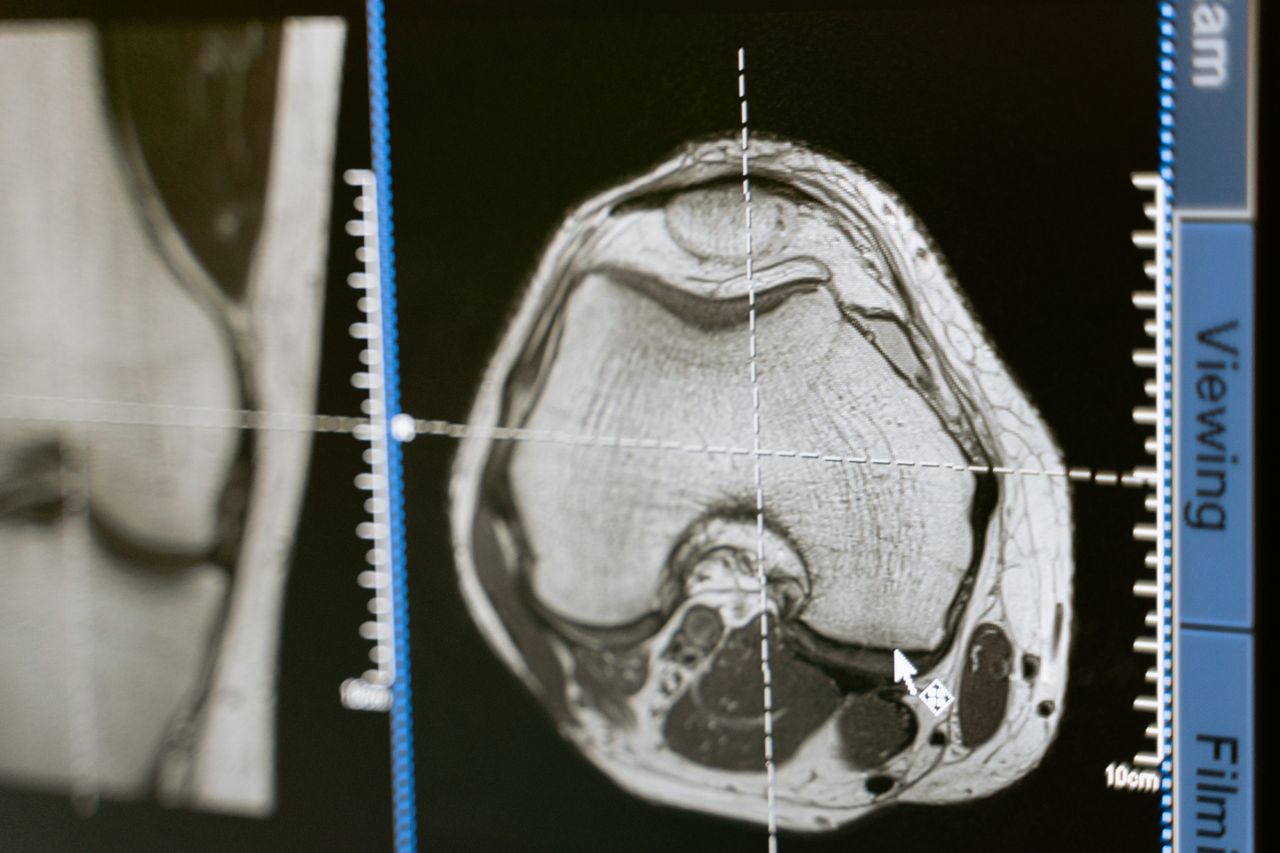
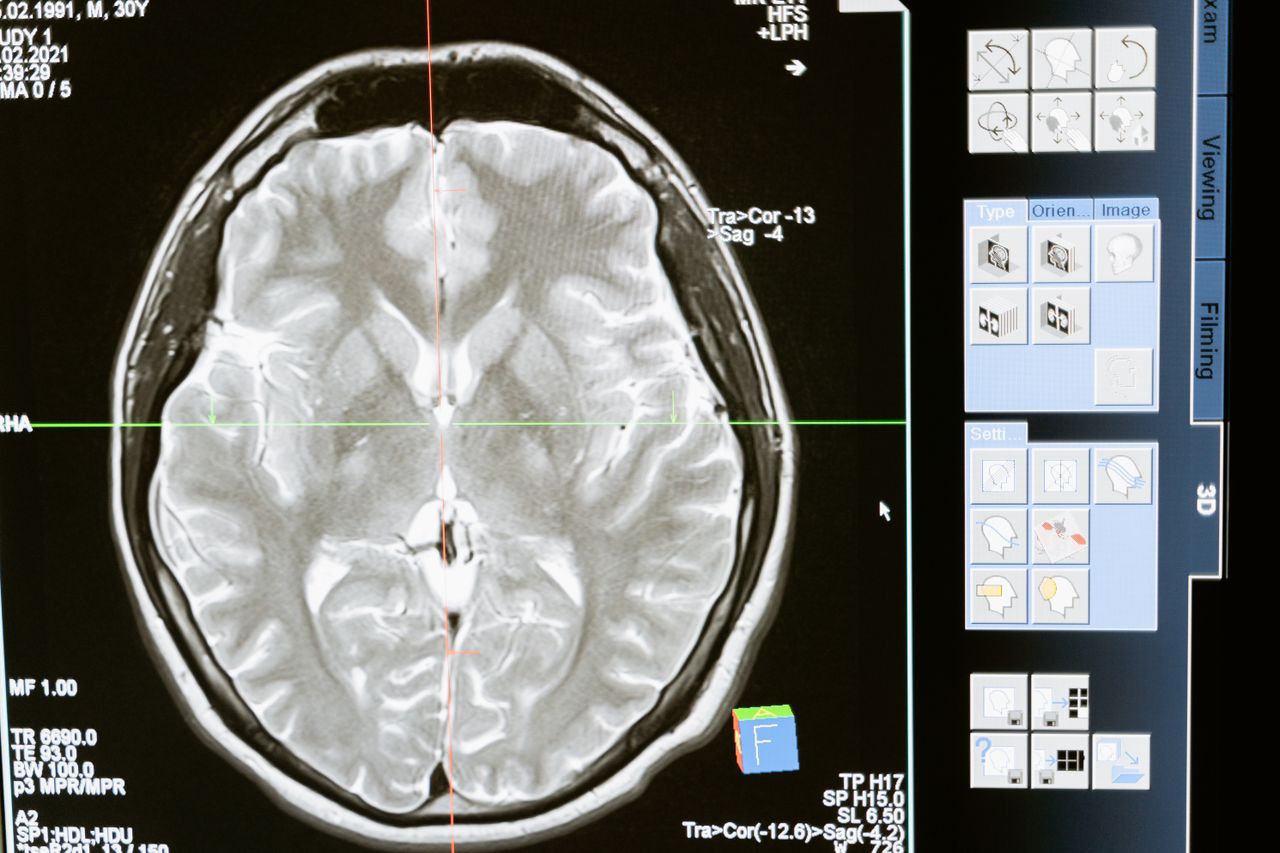
Diagnostic Radiology Medical Billing Overview
The radiologist who interprets 80 studies before noon has already generated the clinical value. The billing question is whether the revenue cycle captures it. Diagnostic radiology operates under one of the highest-volume, lowest-per-encounter revenue models in medicine, which means that small per-study billing errors accumulate into large annual losses faster than in almost any other specialty. A single billing error affecting the global versus professional component split on CT interpretations, replicated across 30,000 studies per year, creates a revenue variance that most practices discover only during an external audit. The professional component of diagnostic radiology (Modifier 26) and the technical component (Modifier TC) must be correctly applied based on whether the radiologist is employed by the facility or by an independent radiology group, and that distinction must be re-evaluated for every payer contract individually.
Medicare Part B covers the professional component of diagnostic radiology interpretations when the radiologist bills separately from the facility. Medicaid coverage varies by state, with some programs covering teleradiology interpretations and others restricting payment to radiologists physically present at the imaging facility. Commercial payers including UnitedHealthcare, Aetna, BCBS, and Cigna each maintain radiology-specific fee schedules that may differ from Medicare by 15-40% depending on modality and market. Radiology groups participating in hospital professional service agreements must understand exactly which services fall under the global bill versus the professional-only bill to avoid duplicate billing that triggers payer-initiated audits.
Common Billing Challenges in Diagnostic Radiology
- Component billing errors: Applying Modifier 26 when the practice owns the equipment (should be global) or billing global when the practice only provides interpretation (should be Modifier 26 only) creates systematic over- or underpayment that is difficult to correct retroactively across high-volume claim batches.
- Contrast versus non-contrast code selection: CT, MRI, and CT angiography codes have distinct CPT codes for with contrast, without contrast, and with and without contrast studies. When radiologists dictate contrast administration ambiguously, billing staff sometimes select the wrong code, resulting in reimbursement at the lower non-contrast rate for studies that should have been billed with contrast.
- Teleradiology cross-state licensure billing: Radiologists interpreting studies for facilities in states where they are not licensed face claim denial if the state requires licensure for reimbursement. Payers including UnitedHealthcare and BCBS verify state licensure at the time of claim processing, and unlicensed interpretations are denied regardless of clinical quality.
- Bundling of bilateral studies: Bilateral imaging studies billed without Modifier 50 (bilateral procedure) or without the appropriate bilateral code are reimbursed at the unilateral rate, typically 50% less than the intended payment. This error is common in musculoskeletal and chest radiology and is rarely caught without systematic billing audit processes.
Key CPT Codes for Diagnostic Radiology Billing
- CPT 71046: Radiologic examination, chest, 2 views; the highest-volume radiology CPT code in most diagnostic practices; billed as global or Modifier 26 based on equipment ownership
- CPT 74177 / 74178: CT abdomen and pelvis with contrast, and CT abdomen and pelvis with and without contrast; high-value codes where contrast documentation must match the billed code exactly
- CPT 70553: MRI brain with and without contrast; requires documentation of gadolinium administration and specific clinical indication supported by ordering physician notes
- CPT 93306: Echocardiography with Doppler complete; billable by cardiologists and radiologists; requires complete technical and interpretive documentation to support the full code versus limited study code
- CPT 72148: MRI lumbar spine without contrast; one of the most frequently ordered MRI studies; component billing rules and medical necessity documentation requirements apply
Revenue Cycle Considerations for Diagnostic Radiology
Three radiologists are reviewing their annual financial statements after a solid clinical year. Volume is up. Interpretation quality is high. But net revenue per study has declined by 4.2% compared to the previous year. No one can immediately explain why. The answer, when the billing data is analyzed, lies in a payer contract renegotiation two years prior that quietly reduced reimbursement for MRI interpretations by one regional BCBS plan. Because radiology billing runs on such high volume, a 4% reduction on one payer’s MRI schedule translates to a six-figure revenue decline that emerges slowly and invisibly until someone pulls the payer-level revenue per study report.
A/R days in diagnostic radiology average 32-42 days across payer mix, with Medicare paying most reliably at 28-35 days. High-volume groups see the greatest financial risk from systematic coding errors rather than slow payment, because at 80,000 studies per year, a $3 per-study error is a $240,000 annual variance. Regular internal audits of code selection accuracy and component billing correctness are essential revenue protection functions, not optional administrative activities.
How My Medical Bill Solution Helps Diagnostic Radiology Practices
My Medical Bill Solution provides diagnostic radiology groups with component billing audits, contrast code verification workflows, and payer-level revenue-per-study reporting that identifies contract performance gaps before they become multi-year losses. Modifier 26 and TC assignment protocols are built from each practice’s specific equipment ownership and facility agreements, not from generic rules, ensuring billing accuracy at the individual payer-contract level. Teleradiology billing workflows include state licensure verification for each interpreting radiologist in each state where studies are read.
Denial management for radiology includes bilateral study modifier disputes, contrast documentation appeals, and bundling edit resolutions. High-volume denial patterns are flagged for systematic workflow correction rather than case-by-case appeal. Contact My Medical Bill Solution to discuss a billing audit for your radiology group and identify where per-study revenue can be recovered.