
Understanding Radiology Billing Structure
Radiology billing operates on a split-payment model that distinguishes between the technical component (TC) and the professional component (modifier 26) of every imaging study. This fundamental structure creates unique billing challenges depending on whether the practice owns the equipment, employs the reading physician, or operates in a hospital outpatient setting. Failing to apply the correct modifier results in either overpayment (triggering audits) or underpayment.
TC/26 Modifier Split and Global Billing
When a radiology group owns the equipment and employs the interpreting physician, they bill the global code without modifiers. A two-view chest X-ray (71046) billed globally captures both the cost of performing the study and the radiologist’s interpretation. When the facility owns the equipment but an independent radiologist reads the images, the facility bills with modifier TC and the radiologist bills with modifier 26. Incorrectly billing the global code in a split arrangement triggers duplicate payment flags and delays reimbursement for both parties.
Advanced Imaging and Prior Authorization
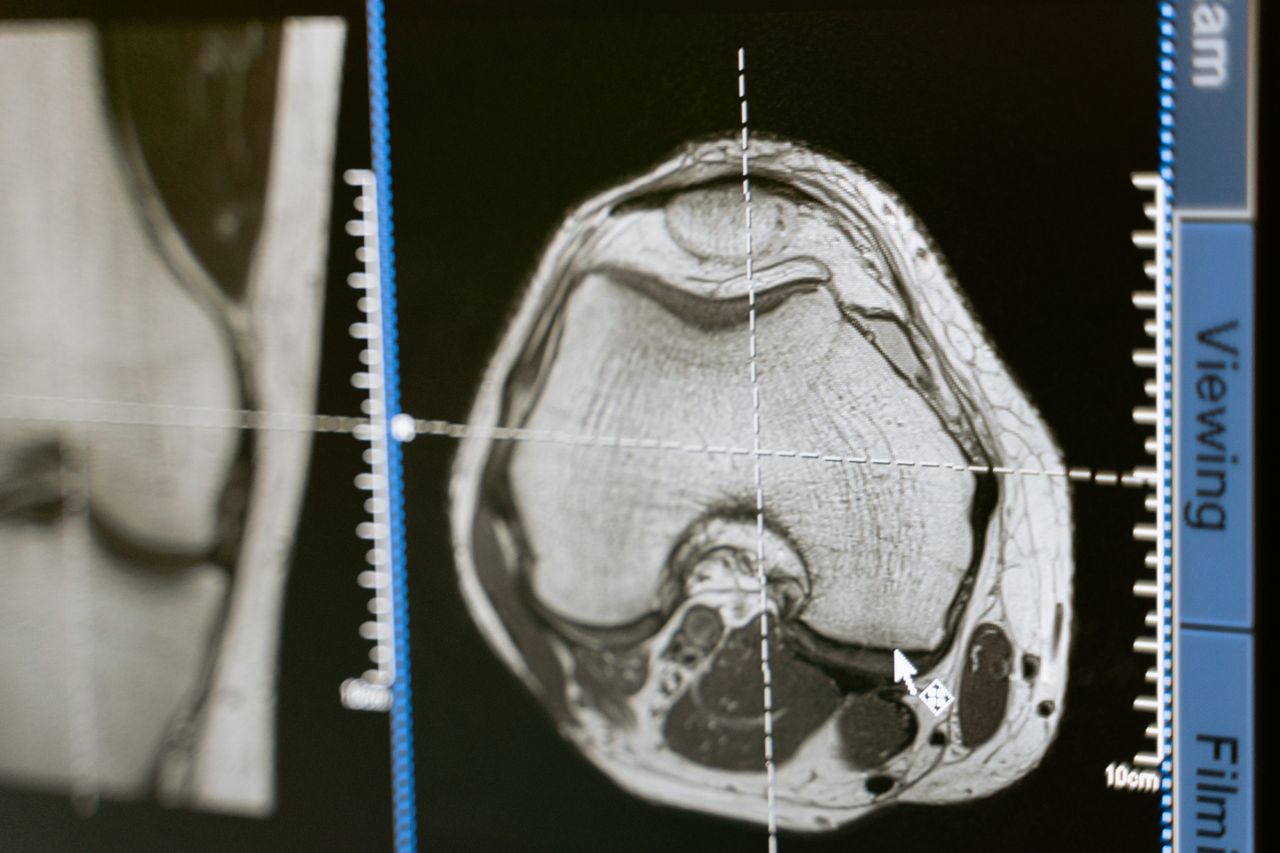
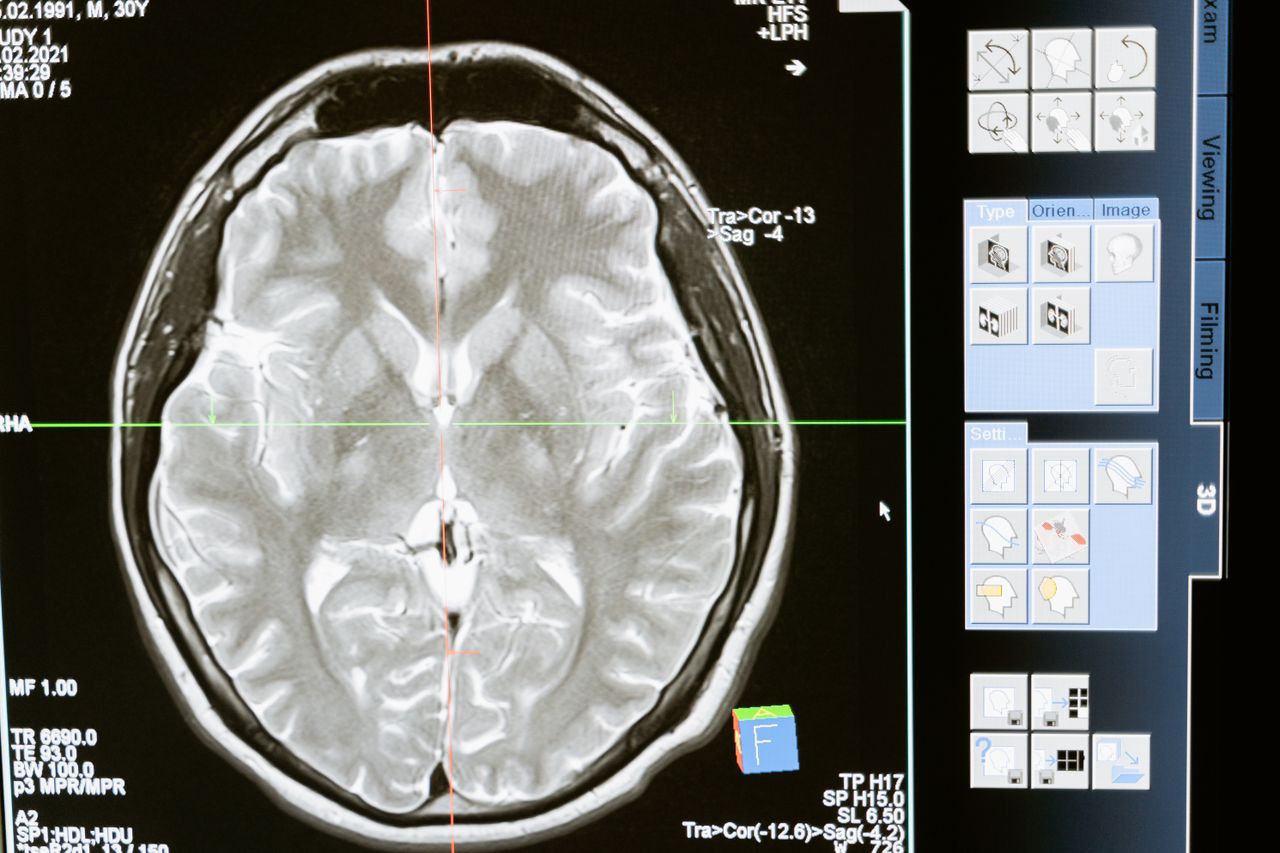
CT abdomen and pelvis with contrast (74177) and MRI brain with and without contrast (70553) frequently require prior authorization through radiology benefit managers like EviCore or AIM Specialty Health. These organizations evaluate medical necessity based on clinical indications, prior imaging results, and whether conservative treatment was attempted first. Claims submitted without valid authorization numbers are denied outright, regardless of clinical appropriateness. Practices must build authorization tracking into their workflow before the patient arrives for the study.
Ultrasound Guidance and Interventional Coding
Ultrasound guidance for needle placement (76942) is commonly billed alongside interventional procedures such as biopsies and aspirations. Payers require permanent image documentation stored in the medical record to support this code. Billing 76942 without a saved image showing needle placement is considered unsupported and will be denied on audit.
MPPR and Contrast Supply Considerations
The Multiple Procedure Payment Reduction (MPPR) policy reduces the professional component of the second and subsequent imaging studies performed during the same session by 25% for the TC and 5% for the PC. Practices must account for this reduction in their revenue projections when scheduling multiple studies.
- Verify TC/26 modifier requirements for every reading location before claim submission
- Build prior authorization workflows for all advanced imaging orders (CT, MRI, PET) at the scheduling stage
- Store permanent ultrasound guidance images in the patient record to support 76942 billing
- Bill contrast supplies with the appropriate HCPCS code (A9XXX series) separately from the imaging procedure when payer contracts allow